Skip to content
Kitex Garments Limited

Ten stages.One owner.

Vertical integration is the whole proposition. Every stage below happens inside the same complex, which is why a specification set at the fabric stage still holds at final inspection.

The line at a glance

  1. 01Yarn
  2. 02Knitting
  3. 03Dyeing
  4. 04Processing
  5. 05Printing
  6. 06Embroidery
  7. 07Cutting
  8. 08Sewing
  9. 09Quality
  10. 10Packing

The integrated line

One continuous manufacturing ecosystem.

Ten stages, one owner. Nothing in the sequence below is subcontracted, which is why a fault found at inspection can be traced back to the machine that caused it.

01

Yarn

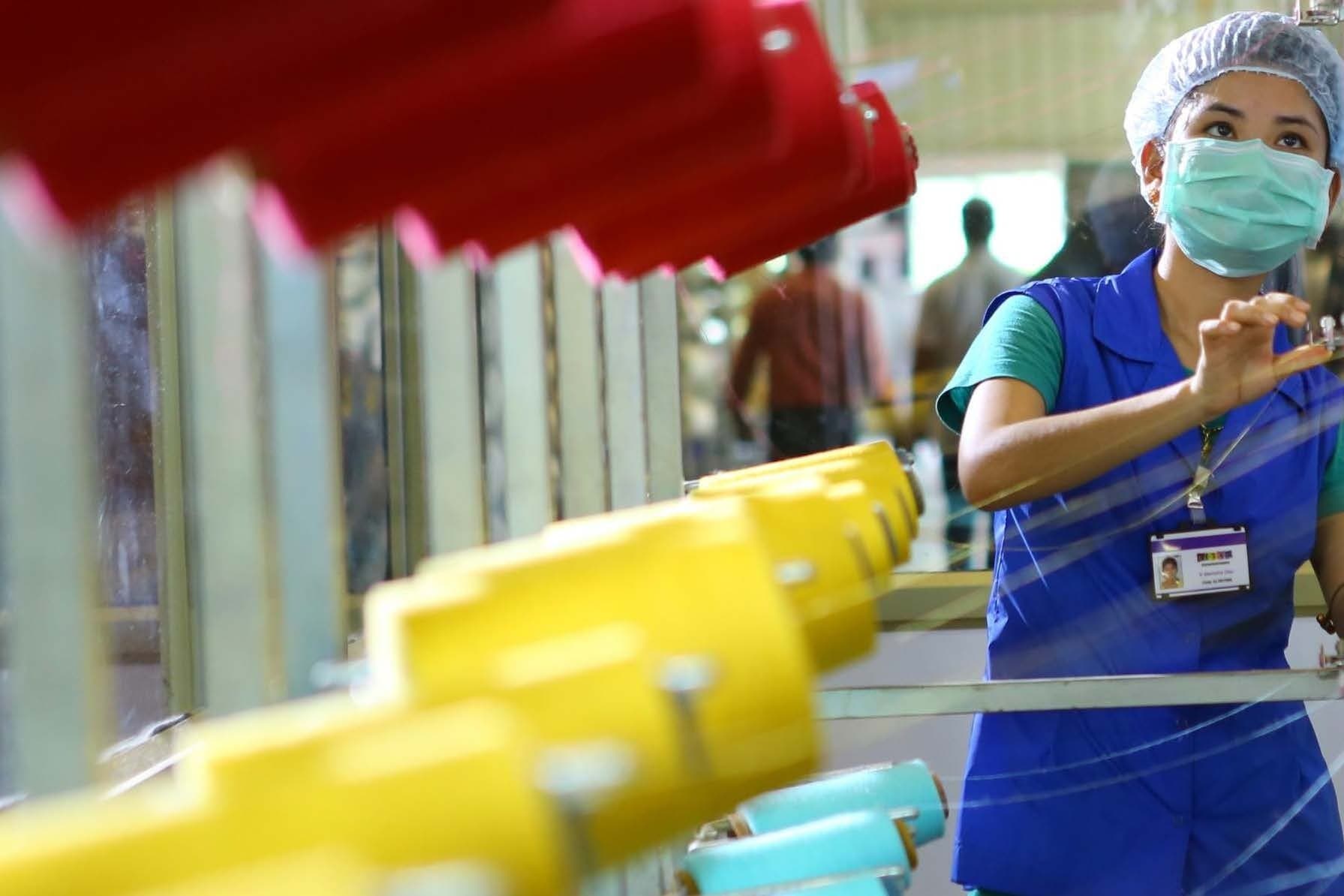
An operator at a machine threaded with cones of yarn

Every garment is decided here, before a single stitch.

Cotton and organic cotton yarn is received, tested and staged against the fabric specification it is committed to. Getting the input right is the cheapest quality control there is.

Both organic and conventional cotton are run through the same line, kept segregated end to end so certified organic output stays traceable.
02

Knitting

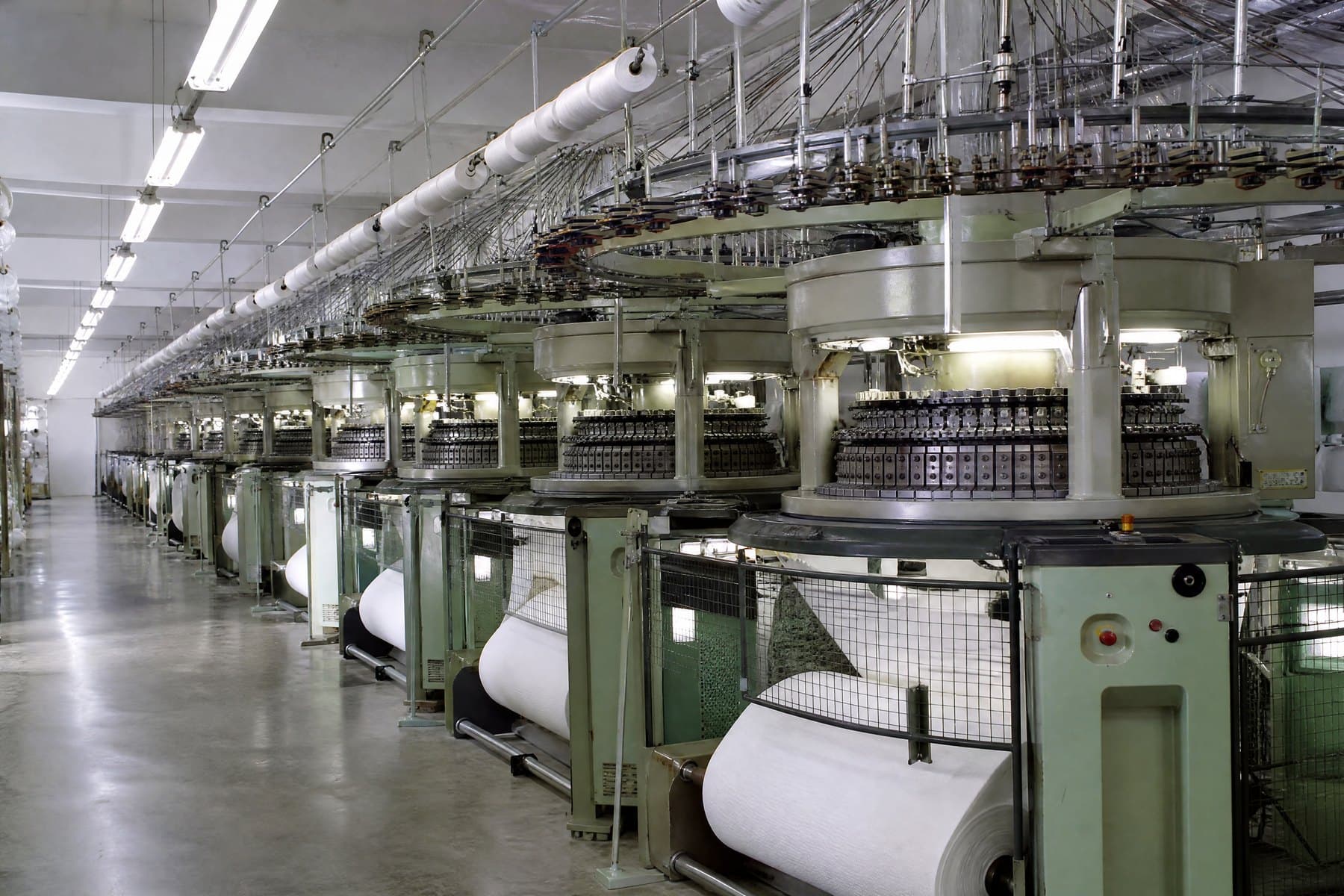
A hall of circular knitting machines forming tubular jersey fabric

Fabric is made in house, not bought in.

Yarn is knitted into jersey and its variants on the company's own machines. Owning fabric formation is what makes the rest of the line predictable, because the cloth arrives at cutting already to specification.

A dedicated bank of knitting machines feeds the process house directly, with no external fabric procurement step in between.

03

Dyeing

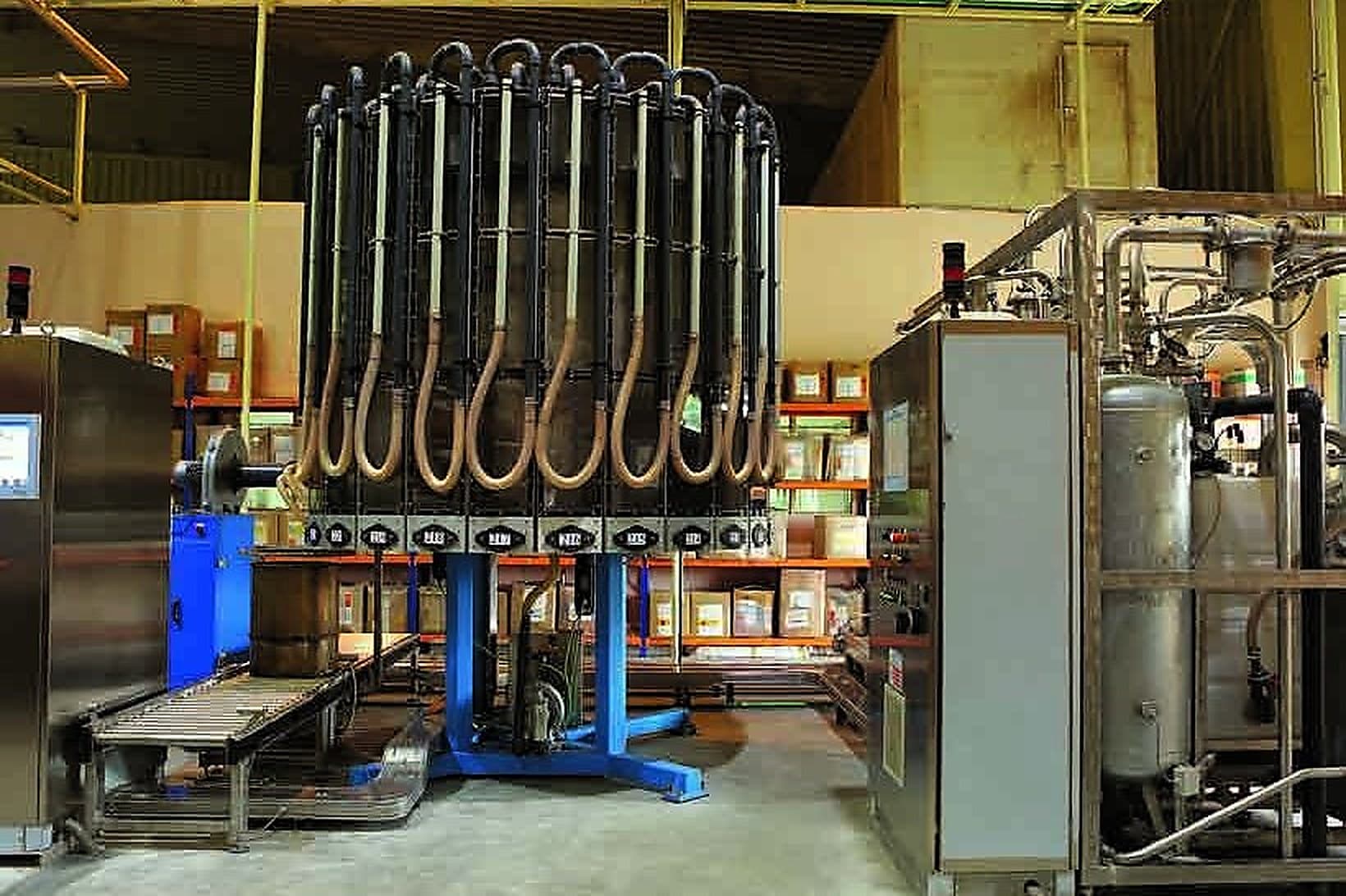
Plant inside the dye house

Colour is a measurement, not a judgement.

Greige fabric is dyed inside the process house. Recipes are prepared by a digital dispenser rather than by hand, so the same shade is reproducible across a repeat order months later.

A digital dispenser system prepares colour recipes automatically, removing manual weighing from the critical path.

04

Processing

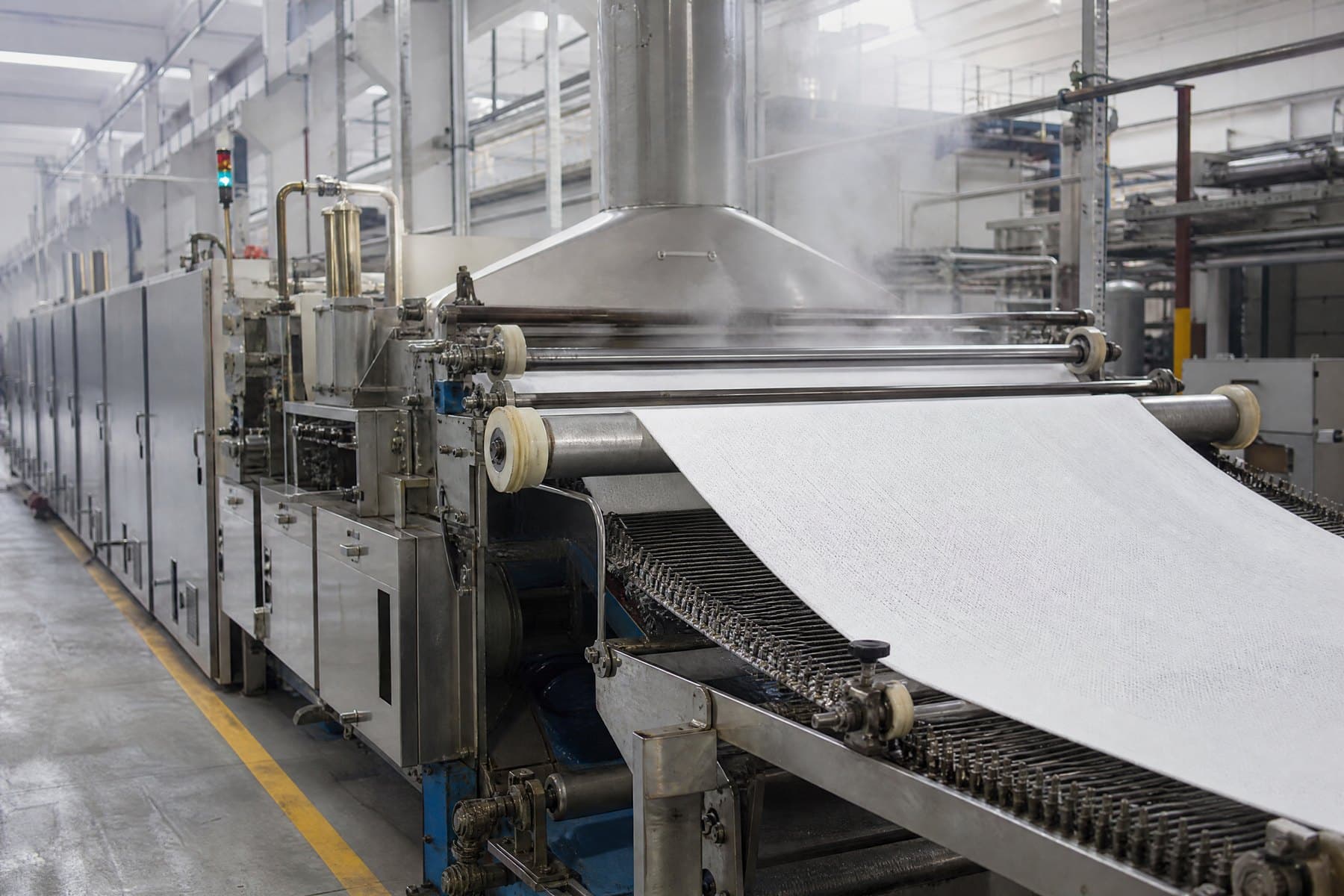
A stenter finishing line carrying open width knitted fabric

Where fabric becomes stable enough to cut.

Dyed fabric is finished to its target hand, width and dimensional stability. This is the stage that decides whether a garment still fits after it has been washed.

Modern dyeing, printing and finishing equipment operates as one continuous house rather than as separate outsourced steps.

180,768sq ft under one roof

05

Printing

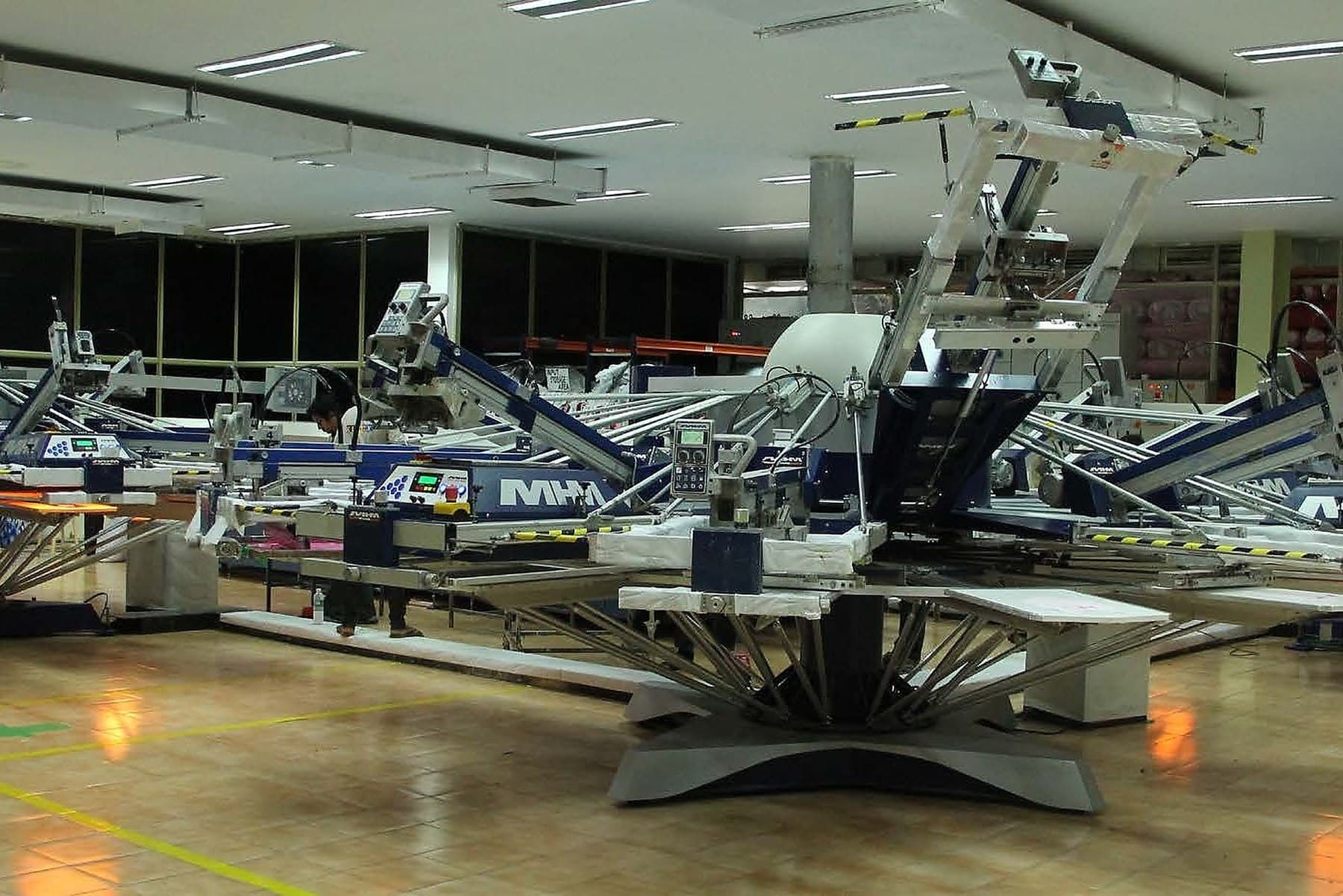
A screen printing carousel on the print floor

Graphics applied at garment scale.

Chest prints and all over graphics are screen printed on site. Keeping print in house means a print rejection is caught within the same building as the fabric that caused it.

A large screen printing setup handles chest printing alongside the embroidery floor.

06

Embroidery

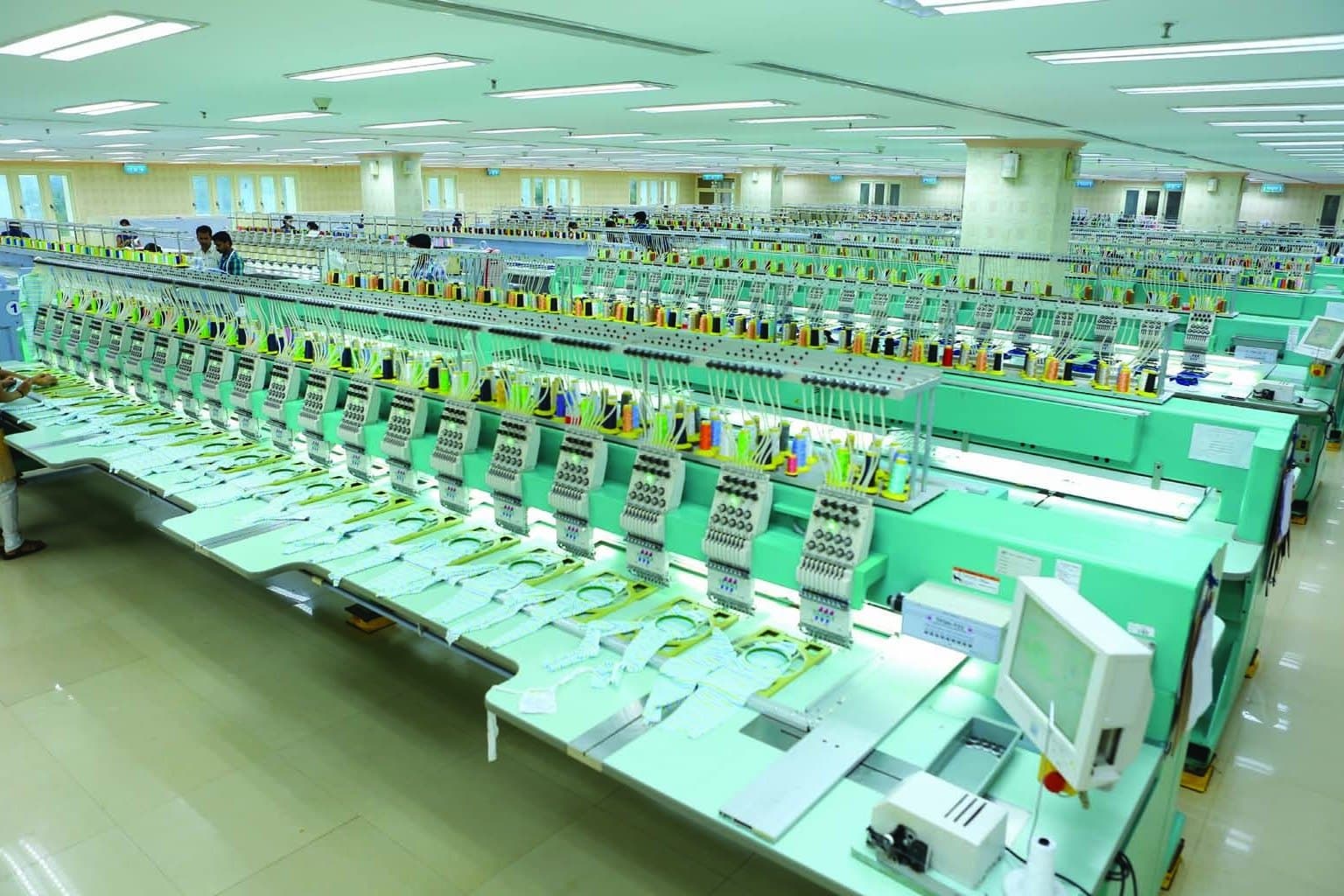
A hall of multi head embroidery machines

Applied decoration without a subcontractor.

Embroidery runs as an internal department, sized to absorb the decoration load of the garment programmes it serves rather than to a separate outside schedule.

Modern embroidery machines operate as a large in house setup, integrated with the sewing programme.

07

Cutting

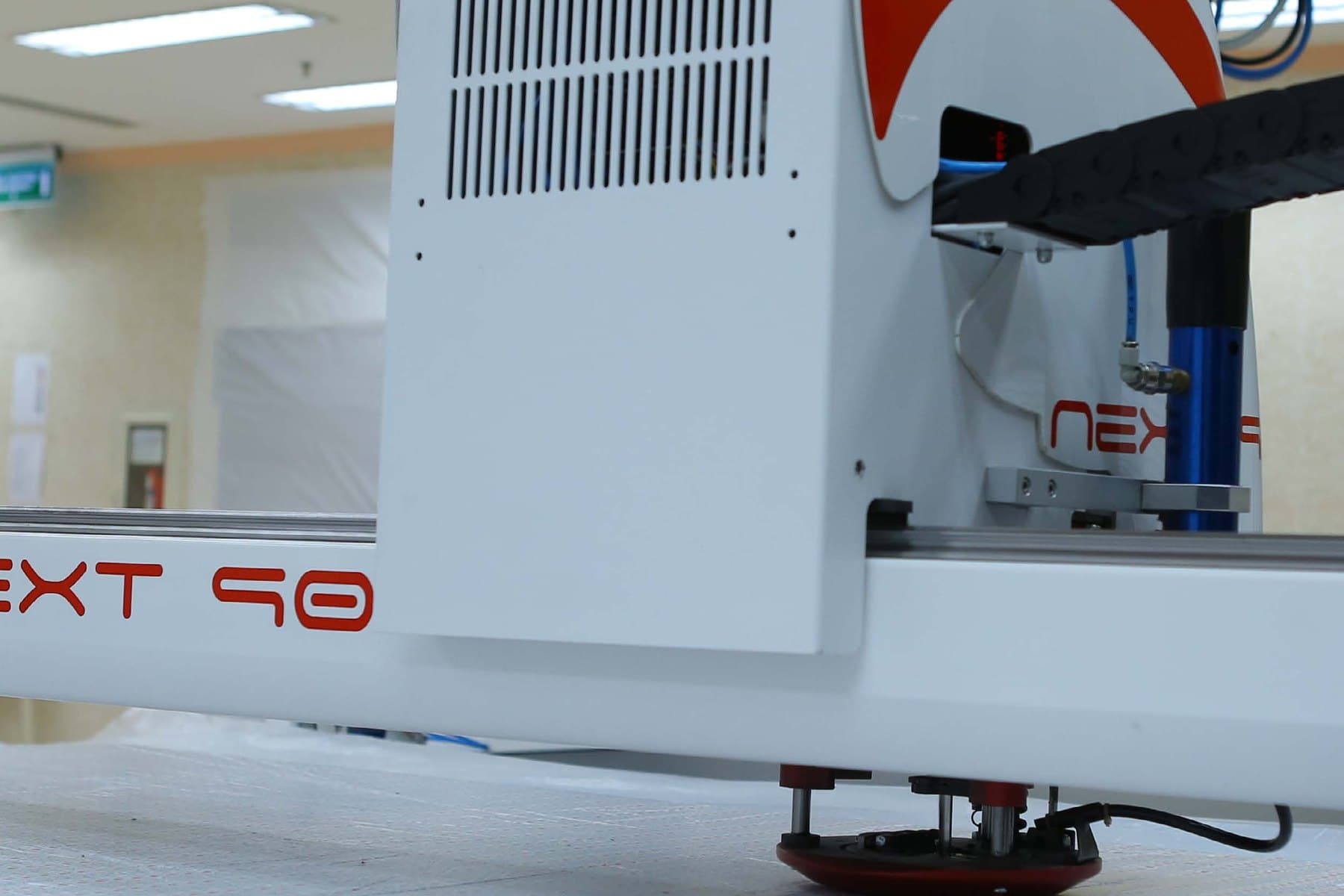
An automated cutting machine working through a spread lay of fabric

Precision at the point of no return.

Patterns are plotted and graded on CAD, fabric is spread mechanically, and lays are cut on automated tables. A cut panel cannot be un cut, so this is where automation earns its place.

Pattern CAD plotting and grading, automatic spreader machines and automated cutting machines run as one sequence.

08

Sewing

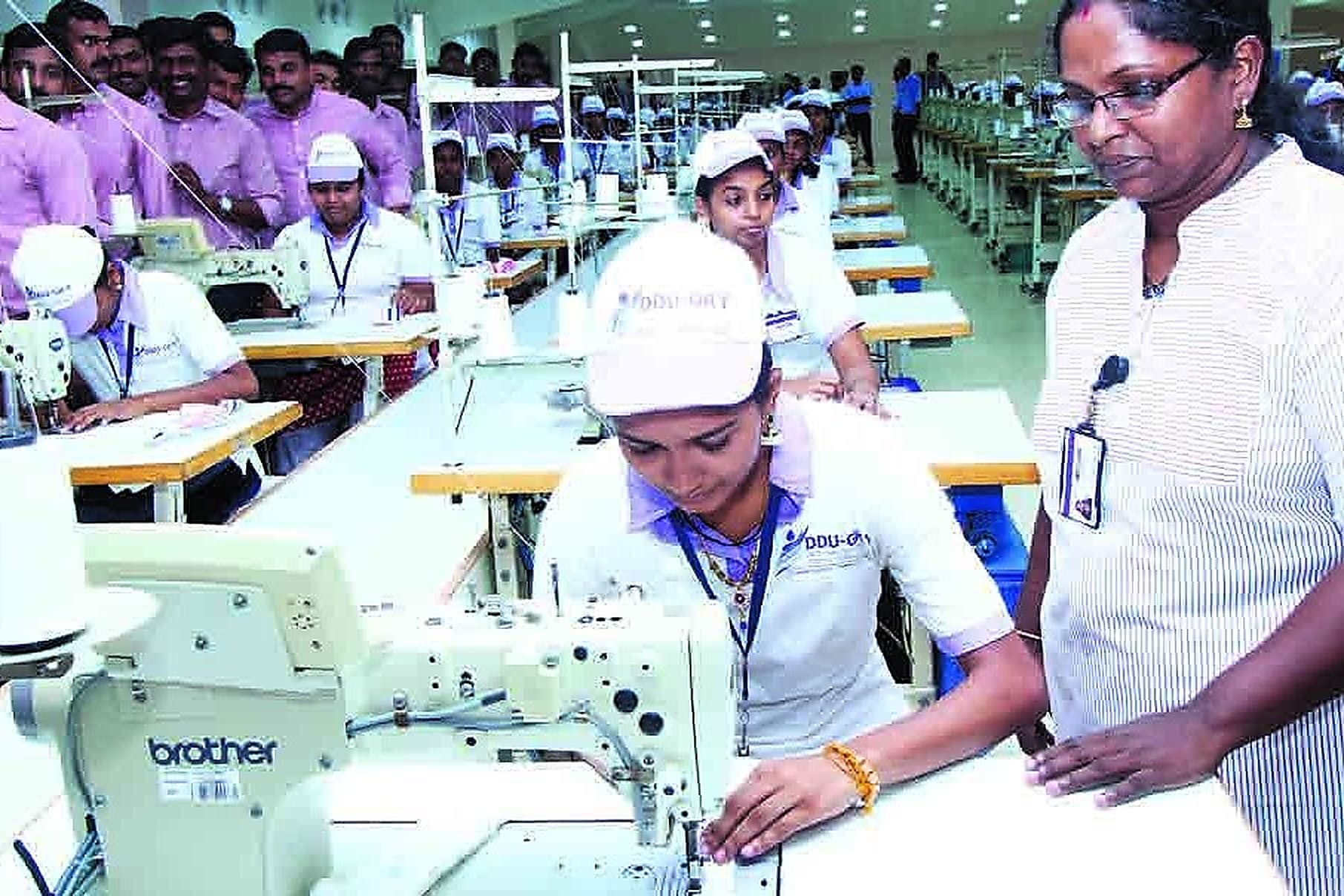
Operators on a sewing line assembling garments

The stage that is still, correctly, human.

Panels are assembled into garments on sewing lines. Machinery sets the tolerance; the operator sets the quality. Both are why infant garments hold up to the way infant garments are actually treated.

Sewing lines are equipped with current generation machinery across a centrally air conditioned floor.

09

Quality

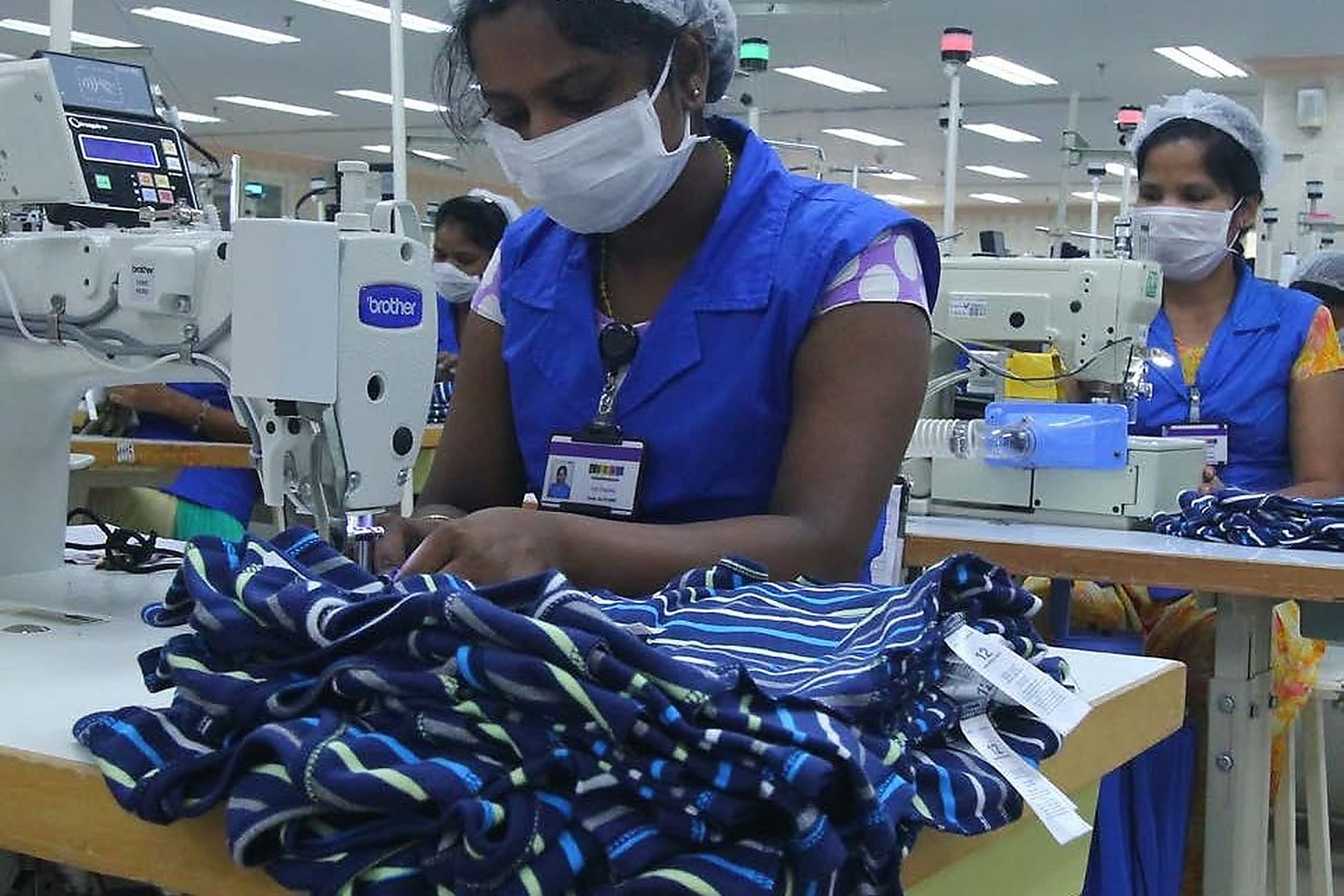
An operator checking finished garments at the machine

Nothing leaves on the assumption that it is fine.

Finished garments are inspected and passed through needle detection. For clothing worn by infants, metal contamination is not a statistical risk to be managed. It is a defect to be physically excluded.

Needle detector machines verify product safety, and a spectrophotometer reads colour electronically for transmission to the customer.

10

Packing

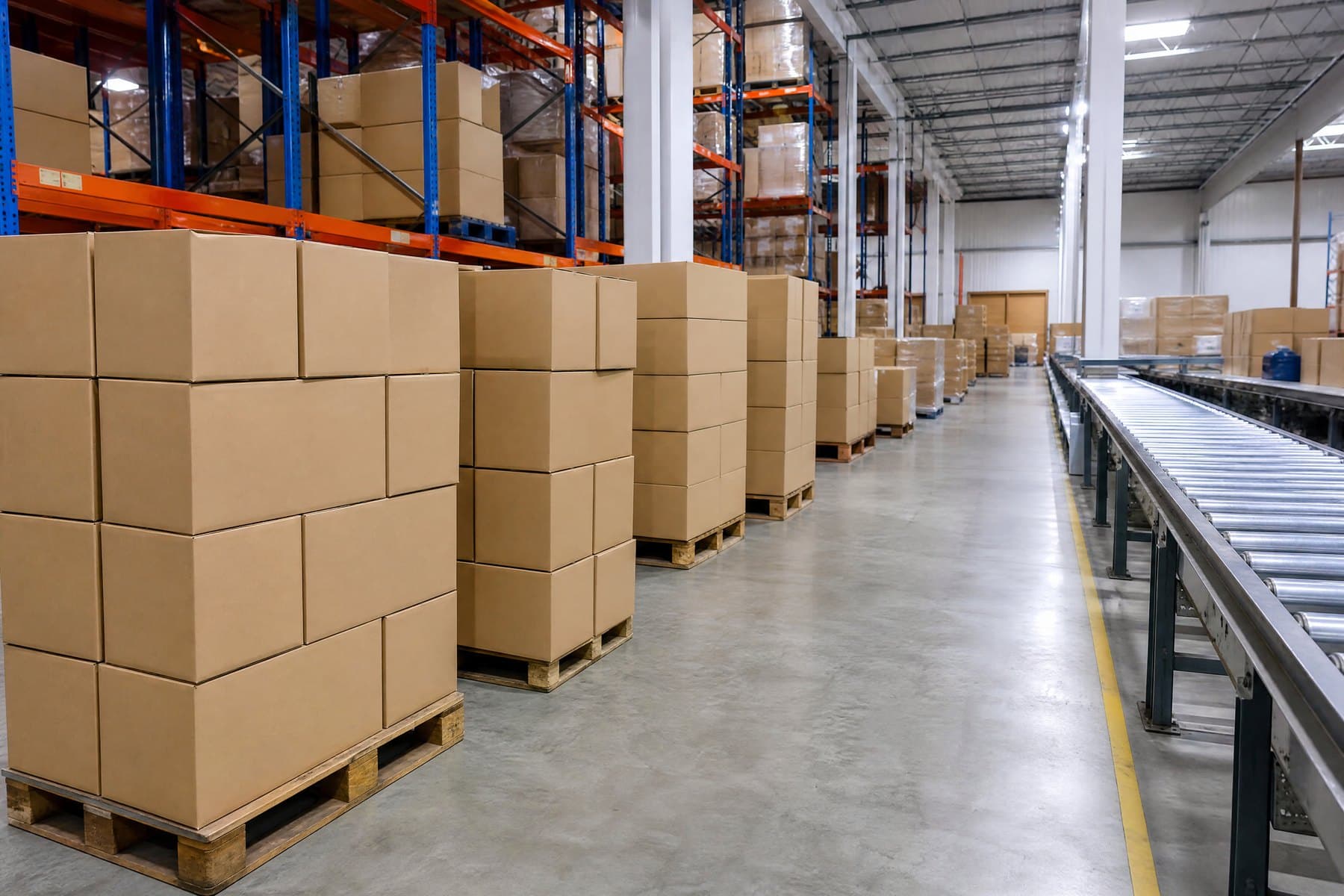
Export cartons stacked on pallets in a despatch area

Ready for a port, not just for a shelf.

Passed garments are packed and staged for despatch. The site sits near Kochi with access to both sea and air freight, which is what makes an export share above eighty percent workable.

Packing and despatch complete the line that began with yarn intake in the same complex.

80.72%of turnover exported

Precision you can measure.

Quality on a childrenswear line is not an opinion held at the end of the process. It is a set of instrument readings taken along it.

  • Yarn quality

    Input tested against the fabric specification it is committed to before knitting begins.

  • Fabric stability

    Dimensional stability set at finishing, so a garment still fits after the washes that follow.

  • Colour consistency

    Recipes prepared by digital dispenser and read by spectrophotometer, then transmitted electronically to the customer.

  • Needle detection

    Every finished garment is passed through needle detection. Metal contamination is excluded physically, not sampled for.

  • Product safety

    Produced to Oeko-Tex Standard 100 Class I, the tier reserved for articles worn by babies and toddlers.

  • Regulatory compliance

    CPSIA for the United States and REACH for the European Union, applied across the dyed and printed range.