Skip to content
Kitex Garments Limited
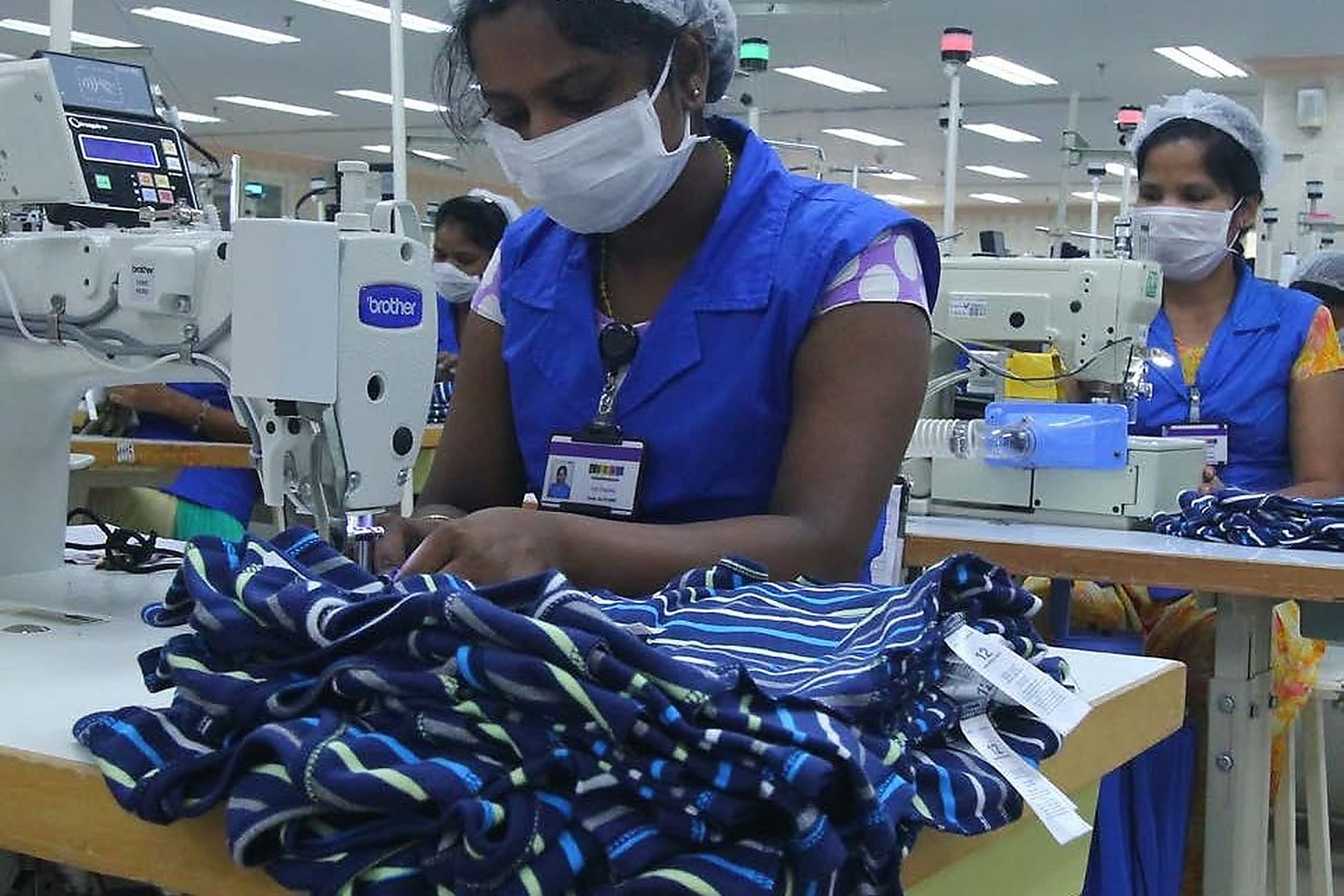
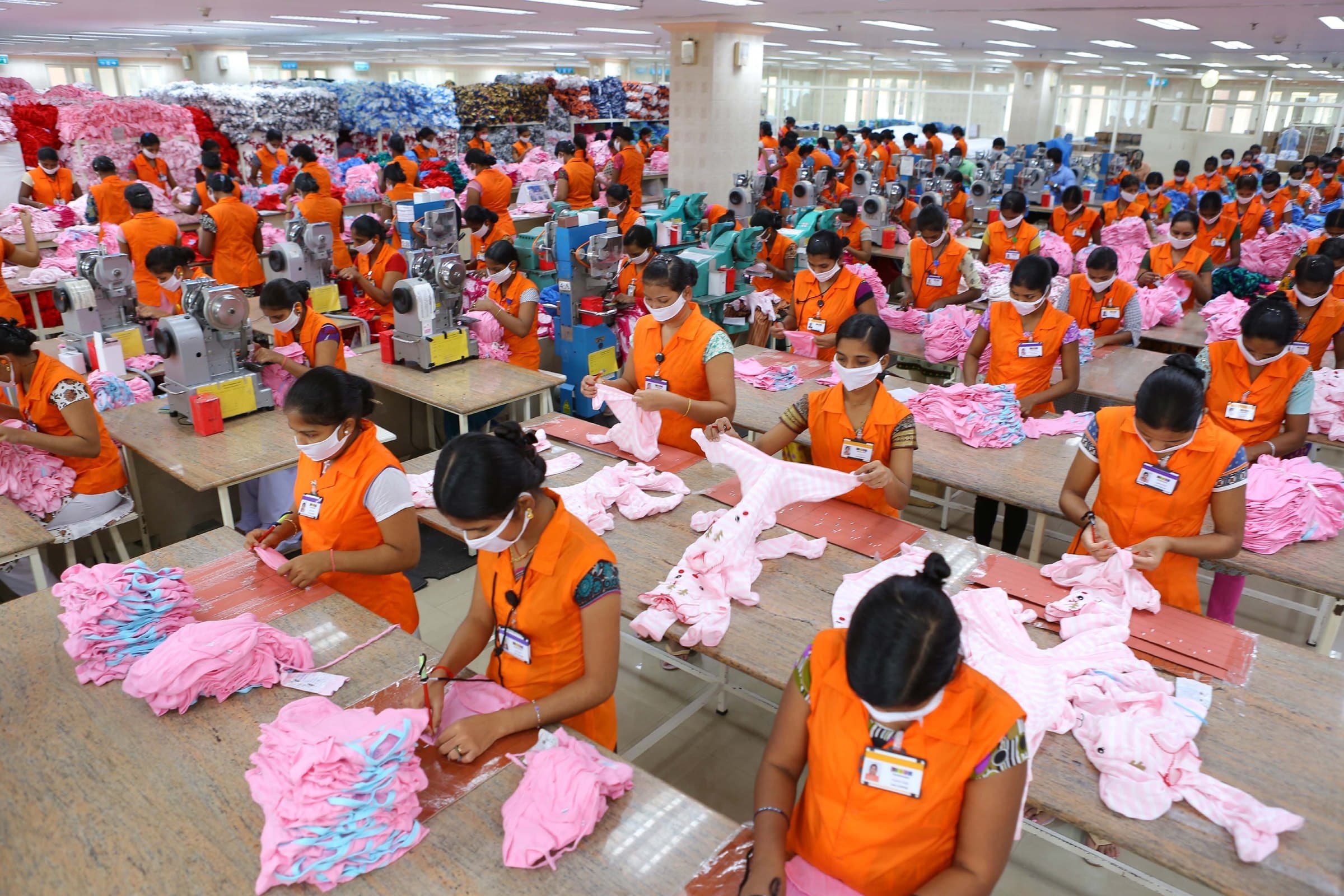
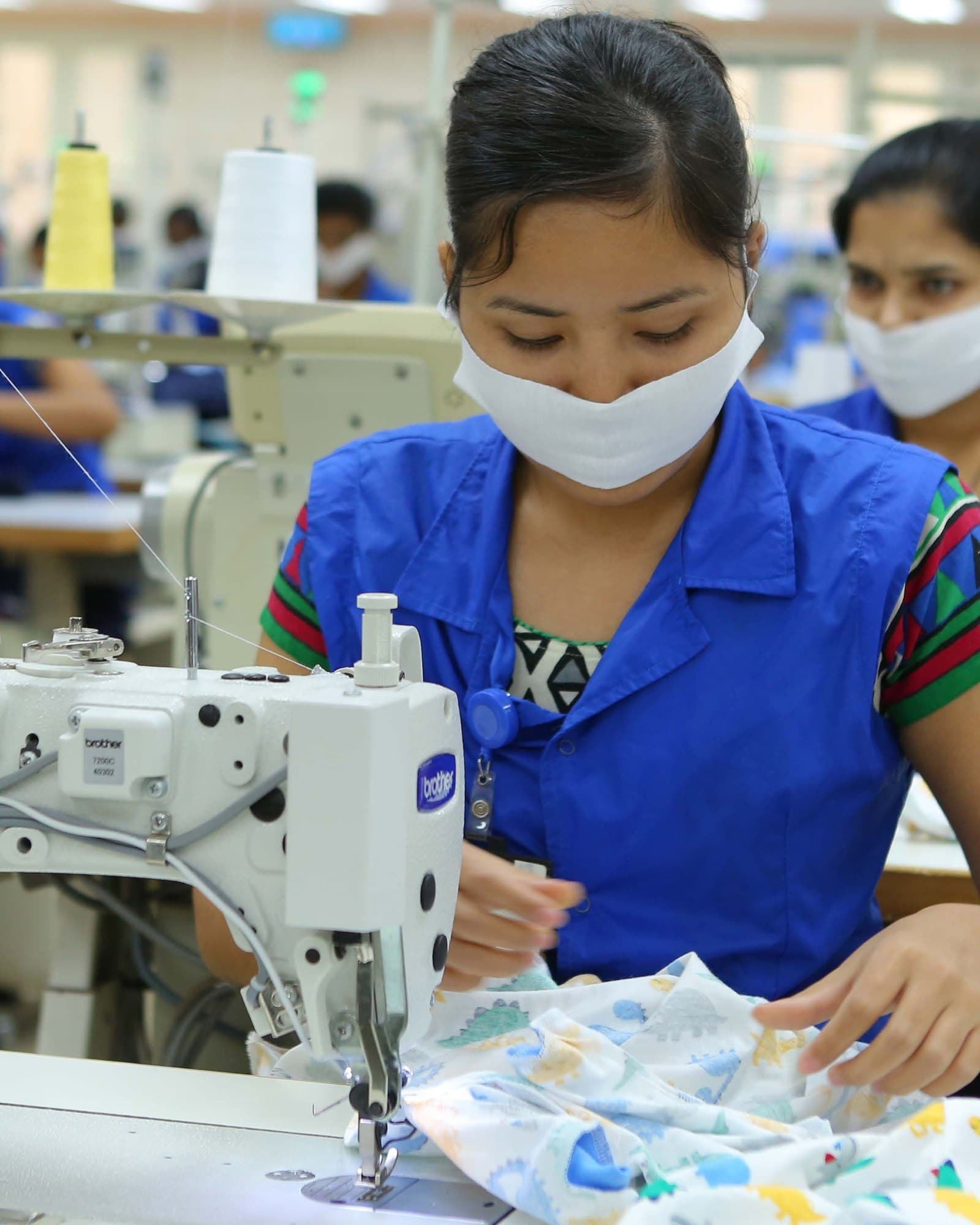
Sewing floor at Kizhakkambalam, with operators assembling infant garments at long benches

Made to movethe world.

Integrated textile manufacturing. Responsible innovation. Global apparel expertise.

₹0.00 Cr

Revenue from operations

Consolidated, financial year 2024-25.

Annual Report 2024-25

0.00%

Revenue from exports

Share of total turnover shipped to overseas customers.

BRSR, Annual Report 2024-25

0

Permanent employees

On the rolls of the company at the close of 2024-25.

BRSR, Annual Report 2024-25

0 sq ft

Process house

A single fabric production hall measuring 240 metres by 70 metres.

kitexgarments.com/facilities

Built on textiles.Driven by possibility.

Kitex Garments has manufactured knitted apparel from Kizhakkambalam since 1992. The company runs a yarn to garment operation as a fully export oriented unit, supplying childrenswear to brands across the United States and Europe.

Heritage
Three decades of continuous operation, from a first full year turnover of ₹1.8 crore to ₹982.80 crore of consolidated revenue in 2024-25.
Integration
Knitting, dyeing, printing, finishing, cutting, sewing and inspection all sit inside the same complex, which is what makes a specification hold across a repeat order.
Reach
Over eighty percent of turnover is exported, from a site near Kochi with access to both sea and air freight.
People
5,258 permanent employees, with meals, accommodation, medical support and transport provided at no cost.
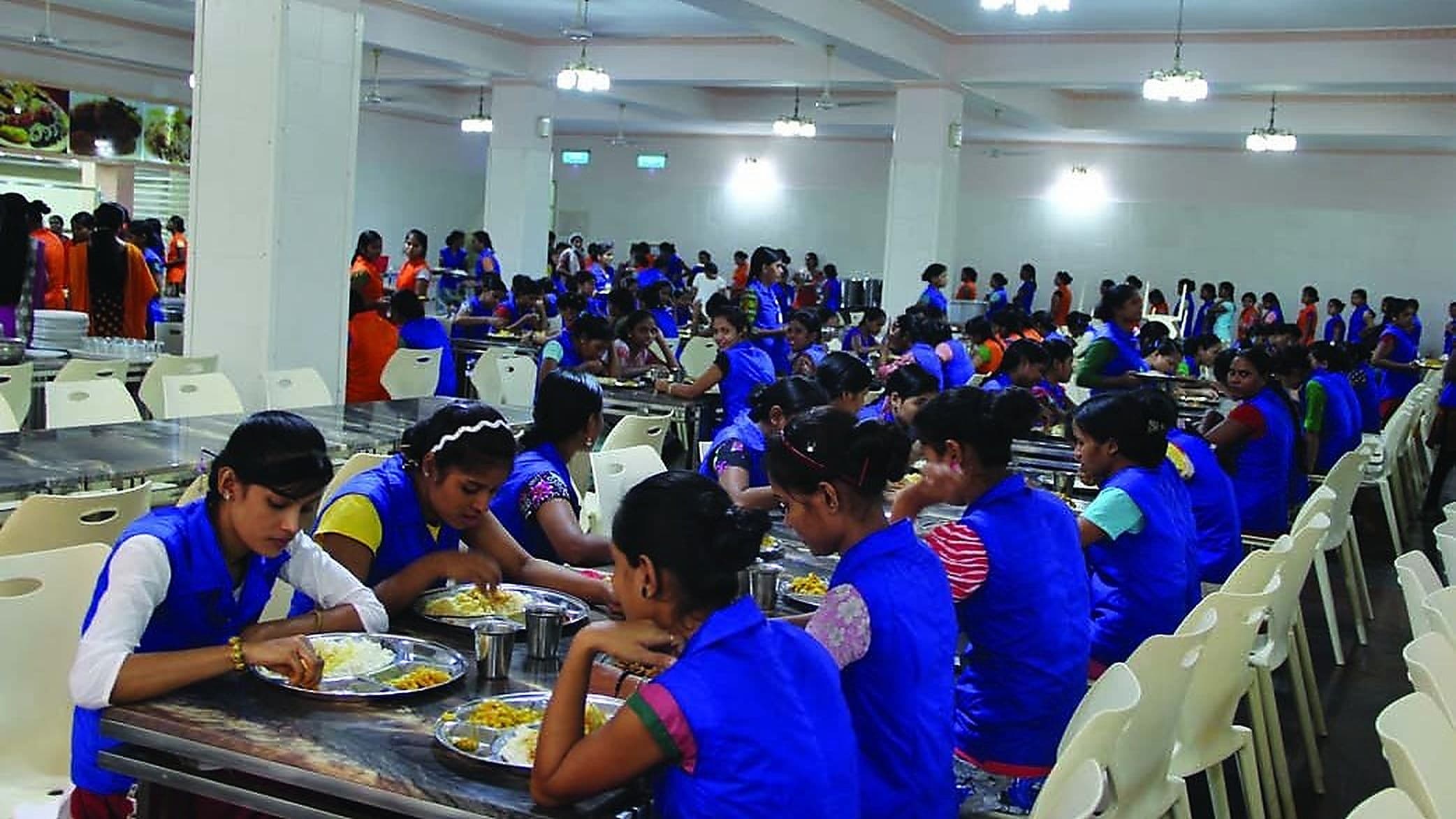
Employees at a meal in the dining hall
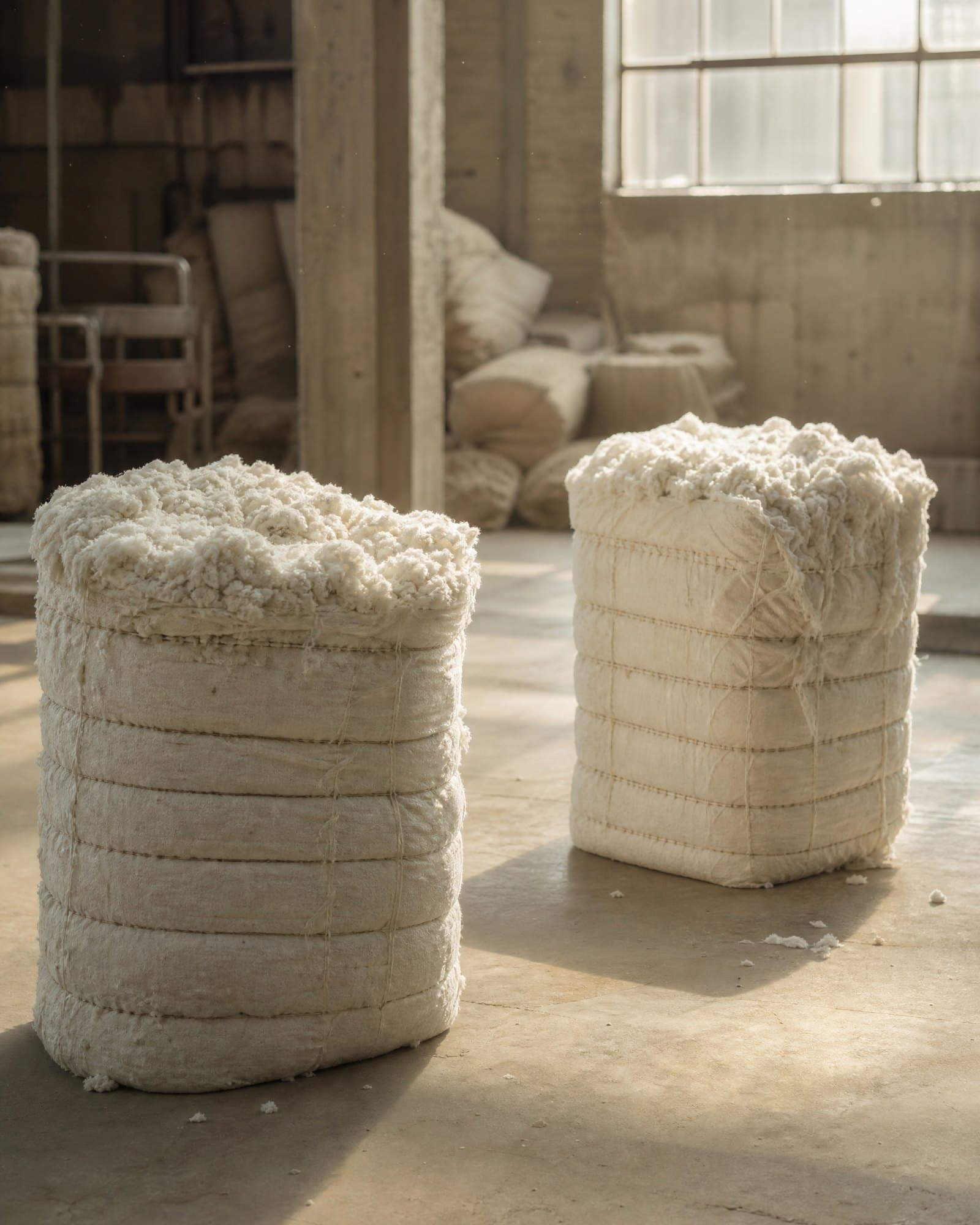
Bales of raw cotton fibre kept separated in a mill store
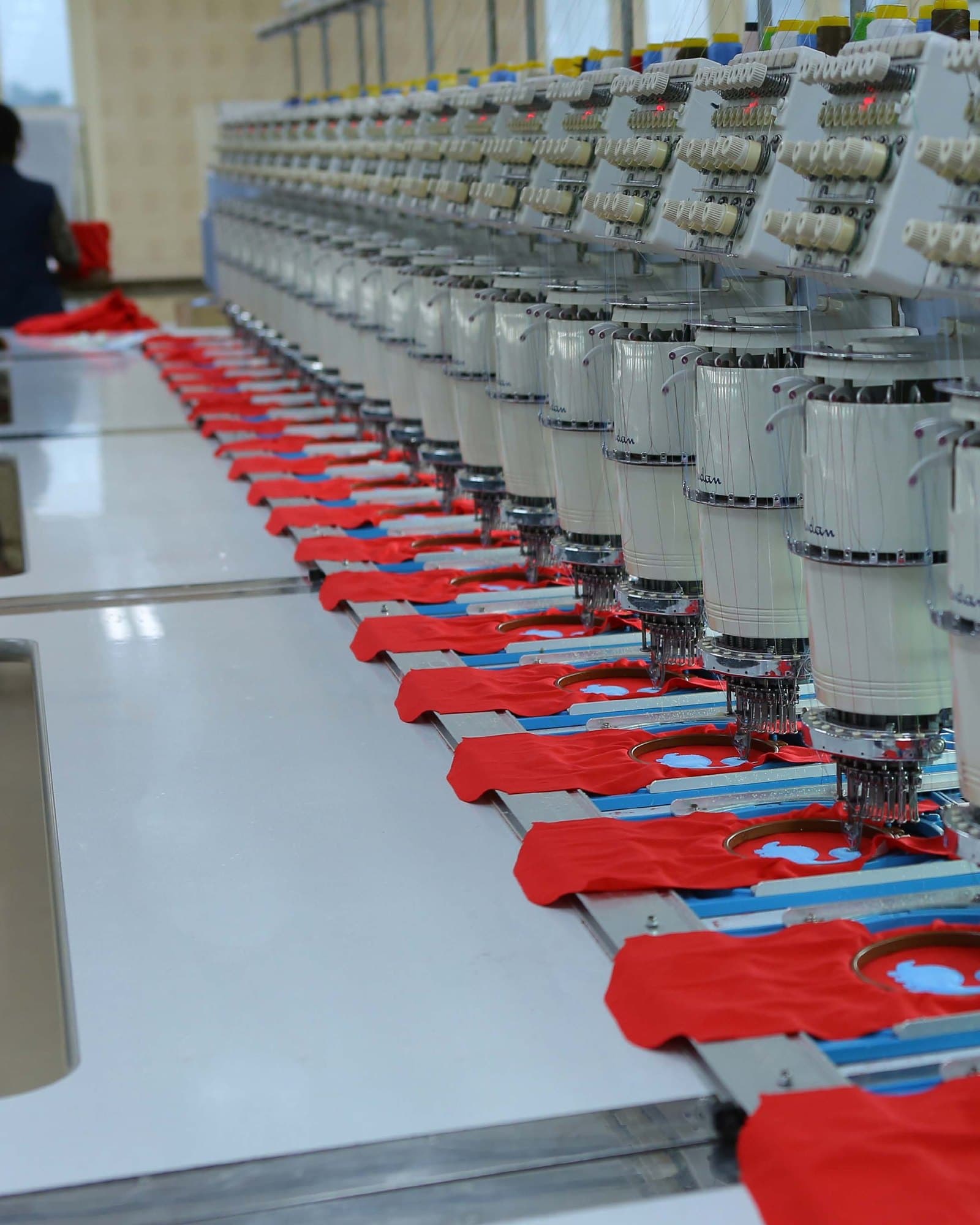
A machine hall with knitted garments staged at each machine head
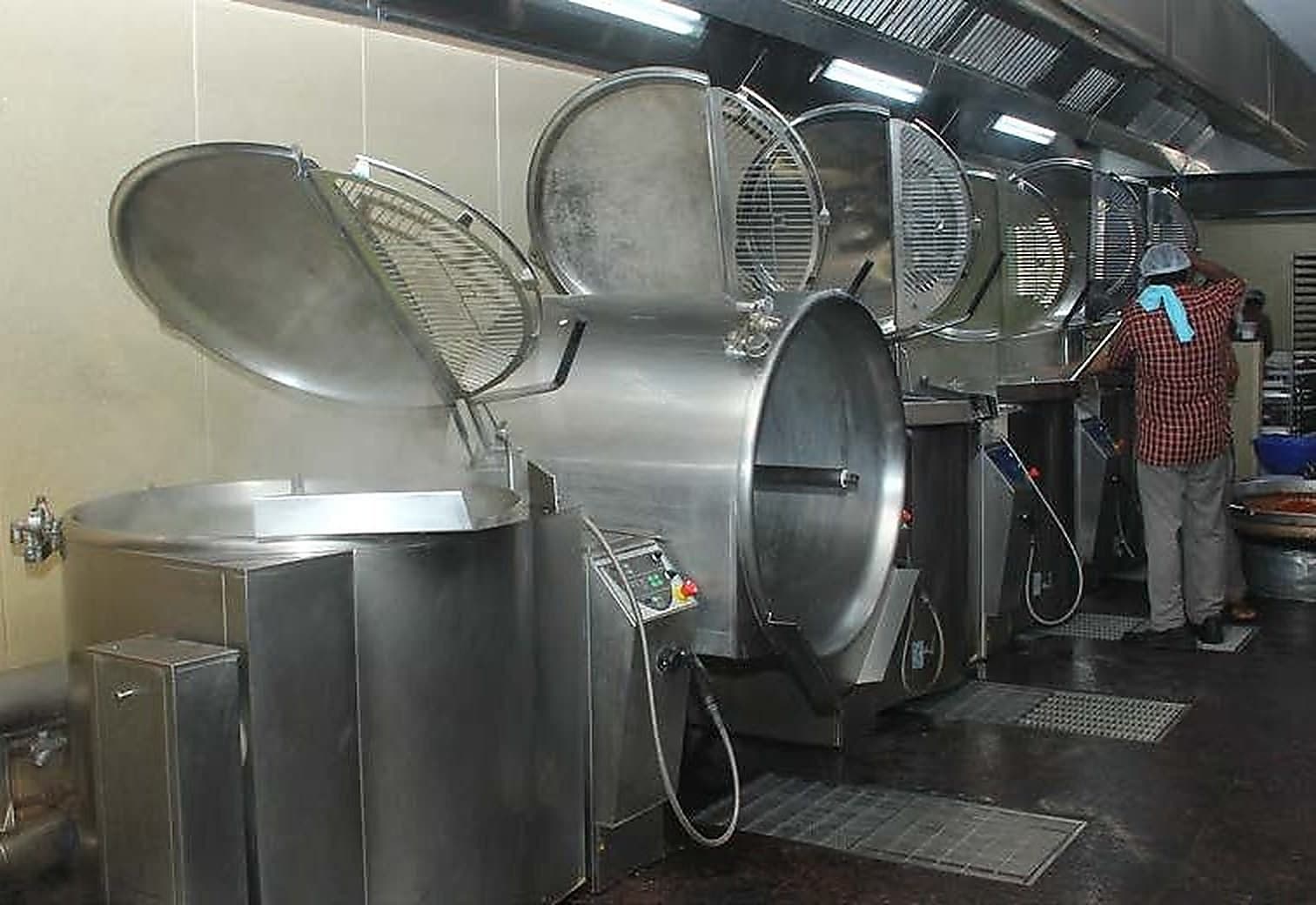
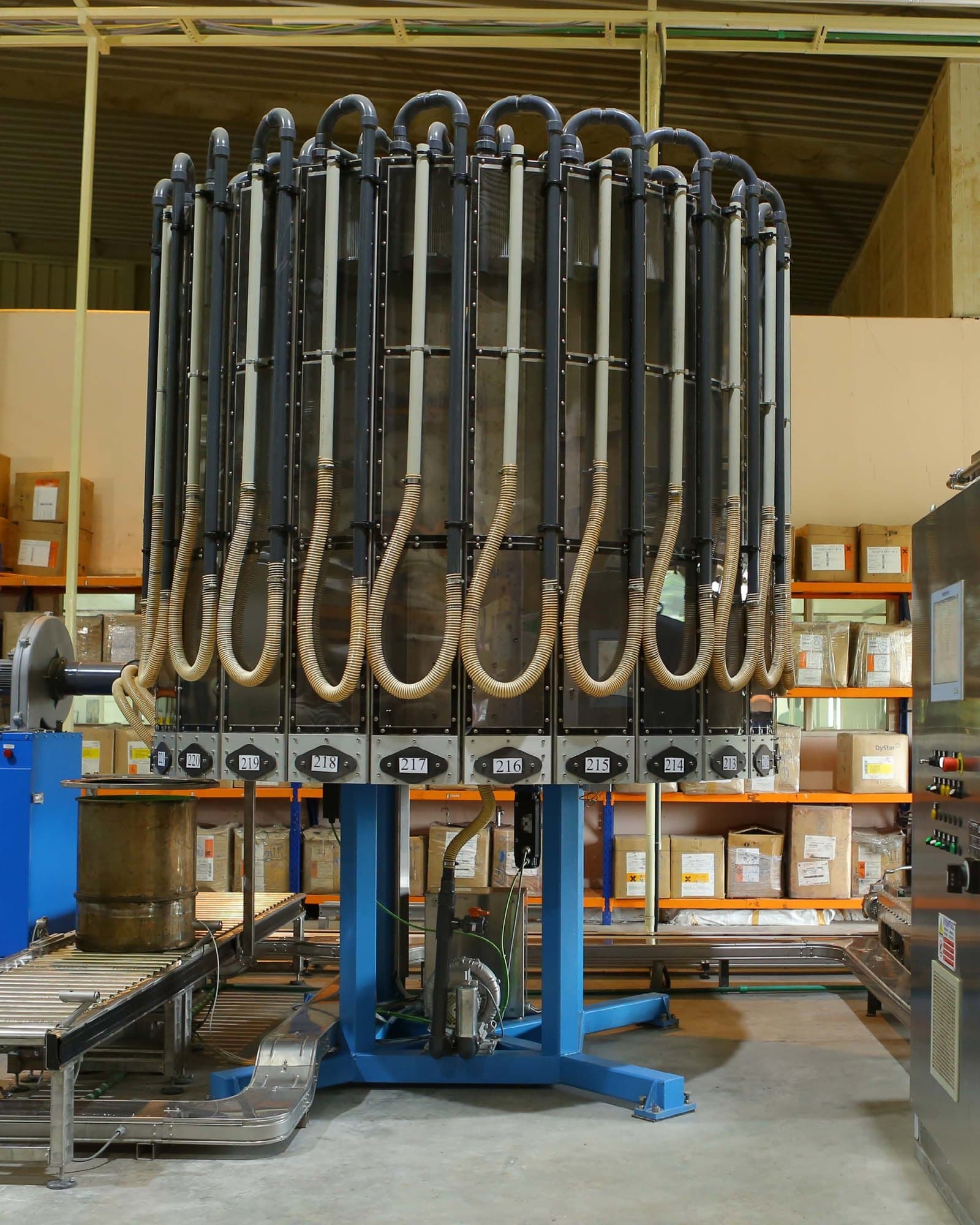
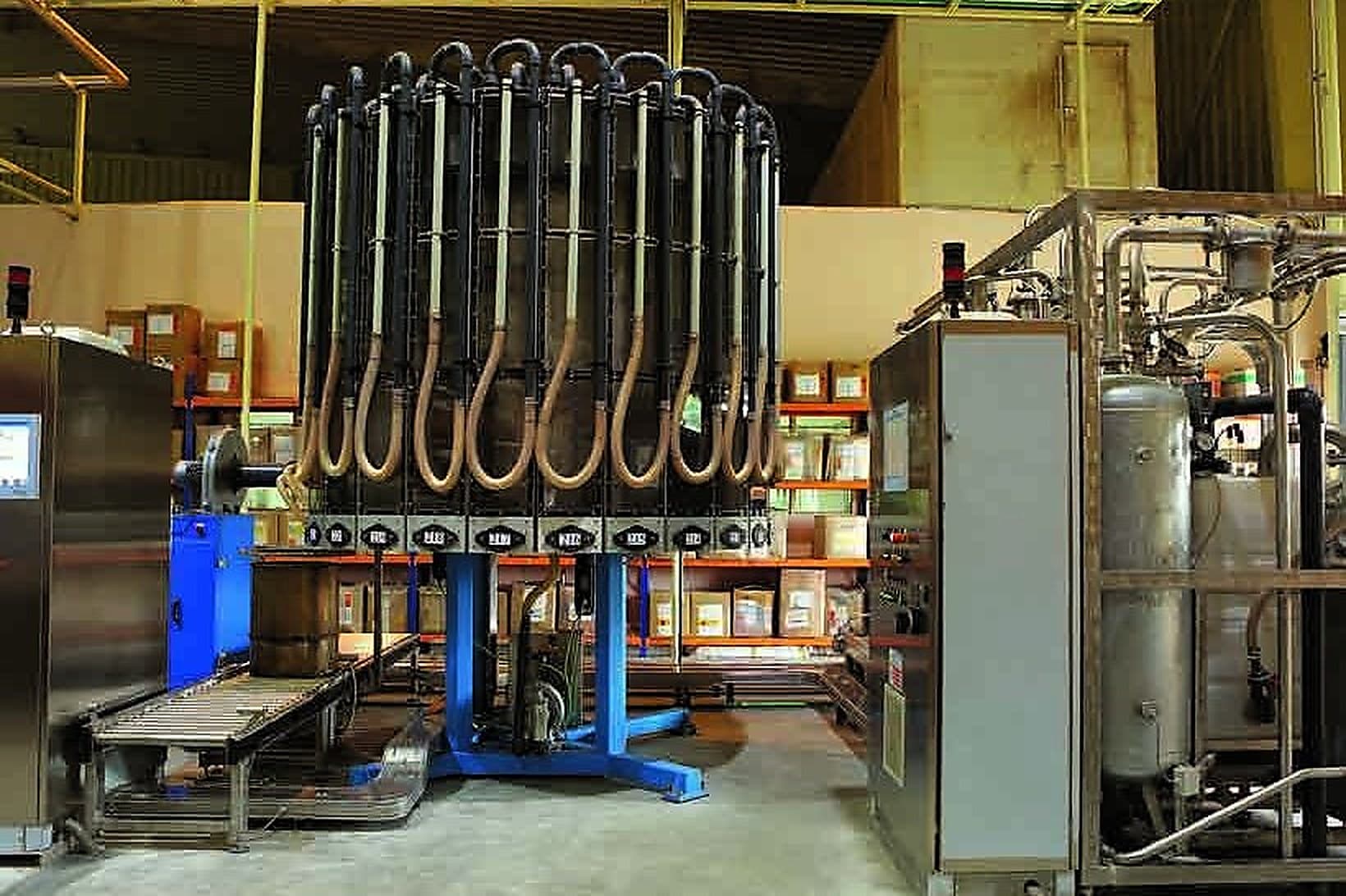
Processing vessels inside the Kitex process house
Plant inside the dye house
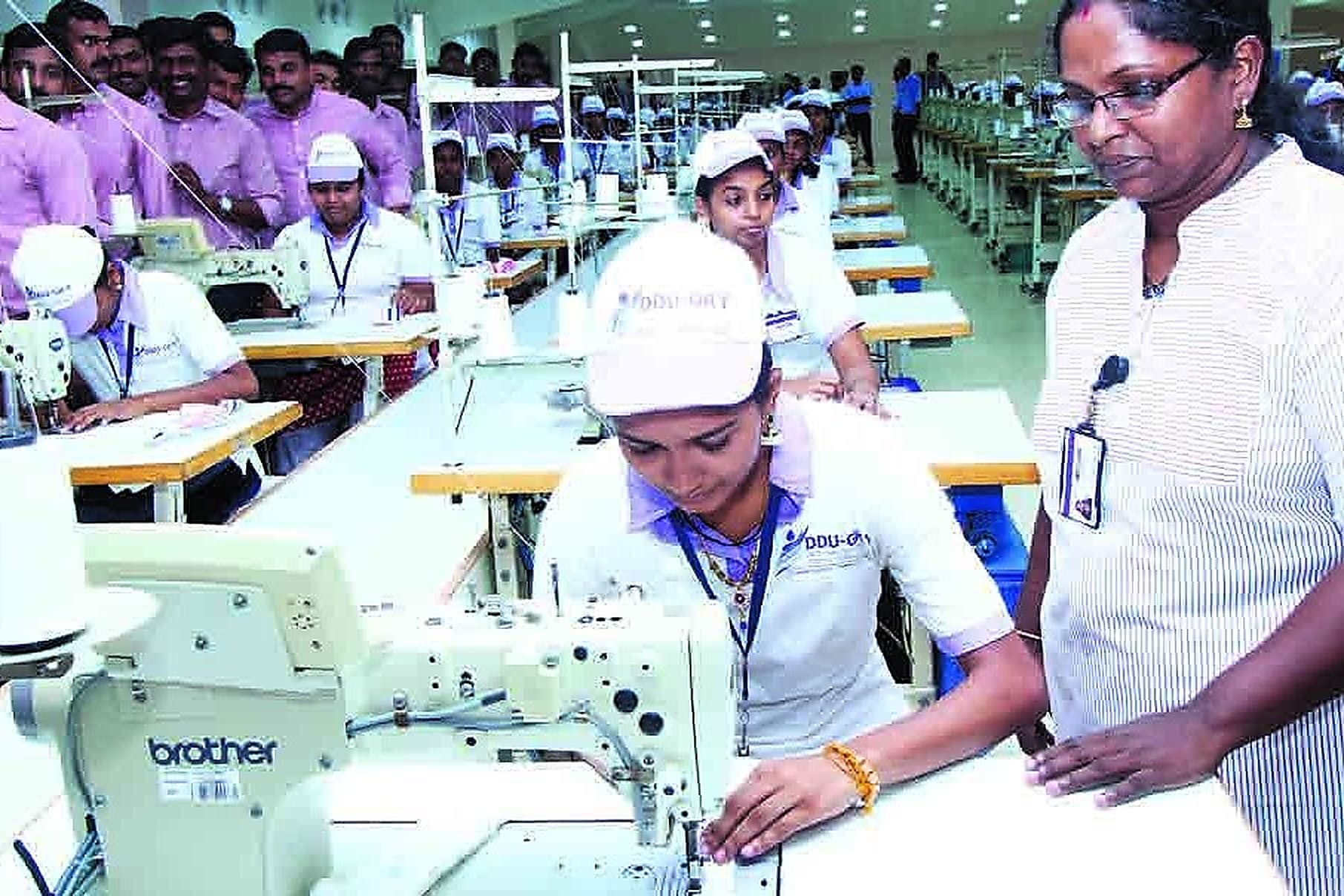
Operators on a sewing line assembling garments
An operator sewing printed fabric for infant garments
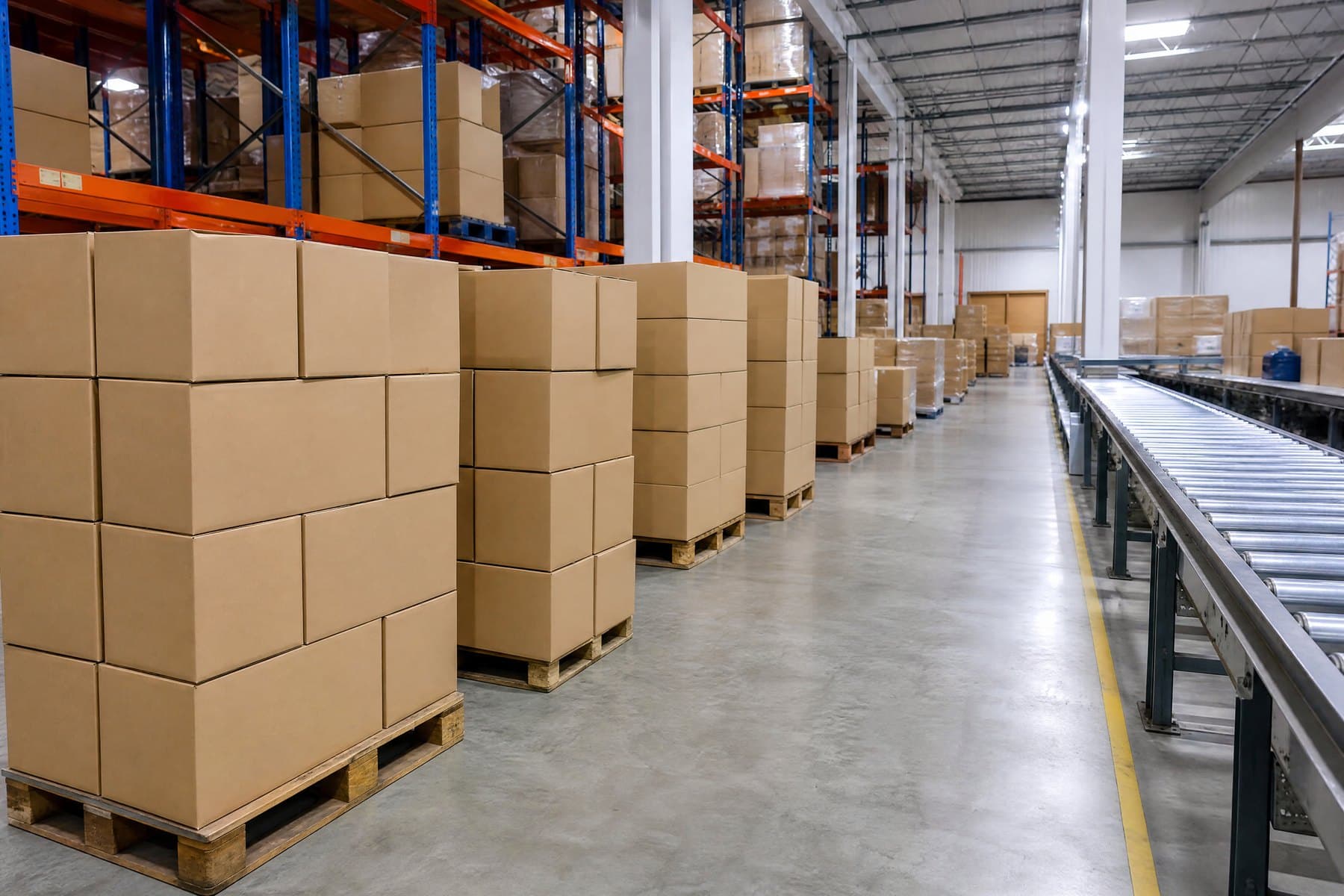
Export cartons stacked on pallets in a despatch area

From fibre to finished form

Fibre

Cotton, conventional and certified organic, kept segregated.

The integrated line

One continuous manufacturing ecosystem.

Ten stages, one owner. Nothing in the sequence below is subcontracted, which is why a fault found at inspection can be traced back to the machine that caused it.

01

Yarn

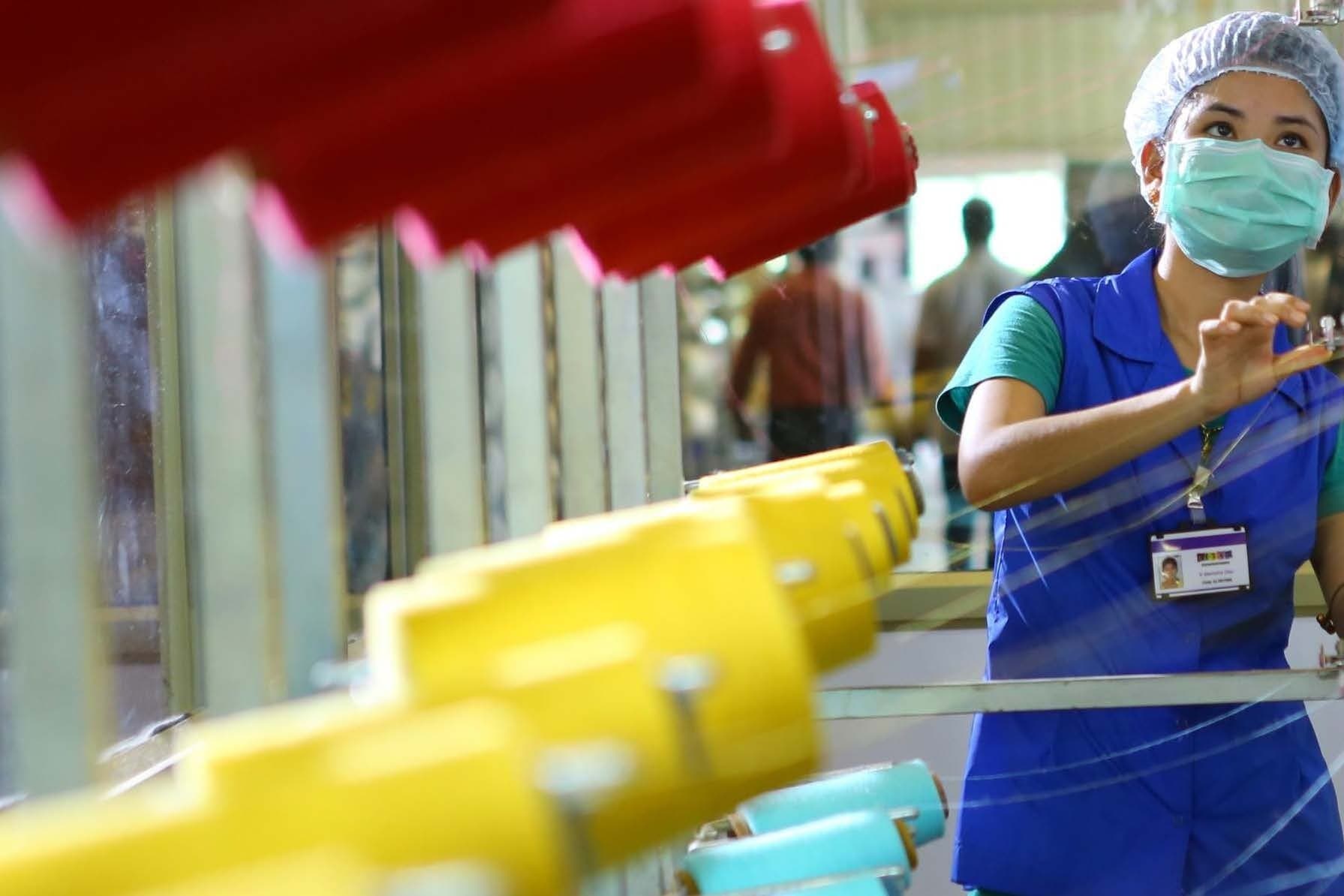
An operator at a machine threaded with cones of yarn

Every garment is decided here, before a single stitch.

Cotton and organic cotton yarn is received, tested and staged against the fabric specification it is committed to. Getting the input right is the cheapest quality control there is.

Both organic and conventional cotton are run through the same line, kept segregated end to end so certified organic output stays traceable.
02

Knitting

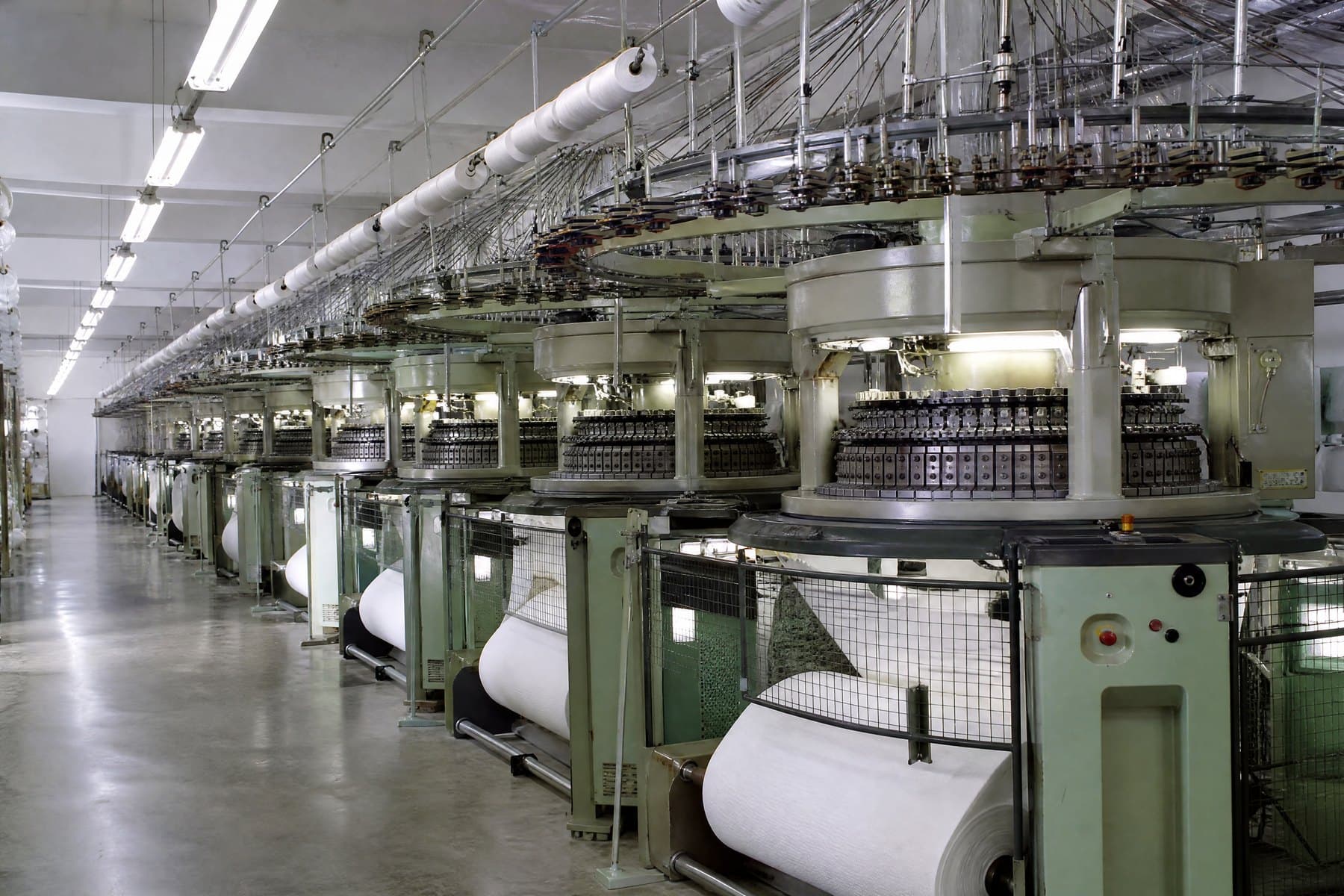
A hall of circular knitting machines forming tubular jersey fabric

Fabric is made in house, not bought in.

Yarn is knitted into jersey and its variants on the company's own machines. Owning fabric formation is what makes the rest of the line predictable, because the cloth arrives at cutting already to specification.

A dedicated bank of knitting machines feeds the process house directly, with no external fabric procurement step in between.

03

Dyeing

Plant inside the dye house

Colour is a measurement, not a judgement.

Greige fabric is dyed inside the process house. Recipes are prepared by a digital dispenser rather than by hand, so the same shade is reproducible across a repeat order months later.

A digital dispenser system prepares colour recipes automatically, removing manual weighing from the critical path.

04

Processing

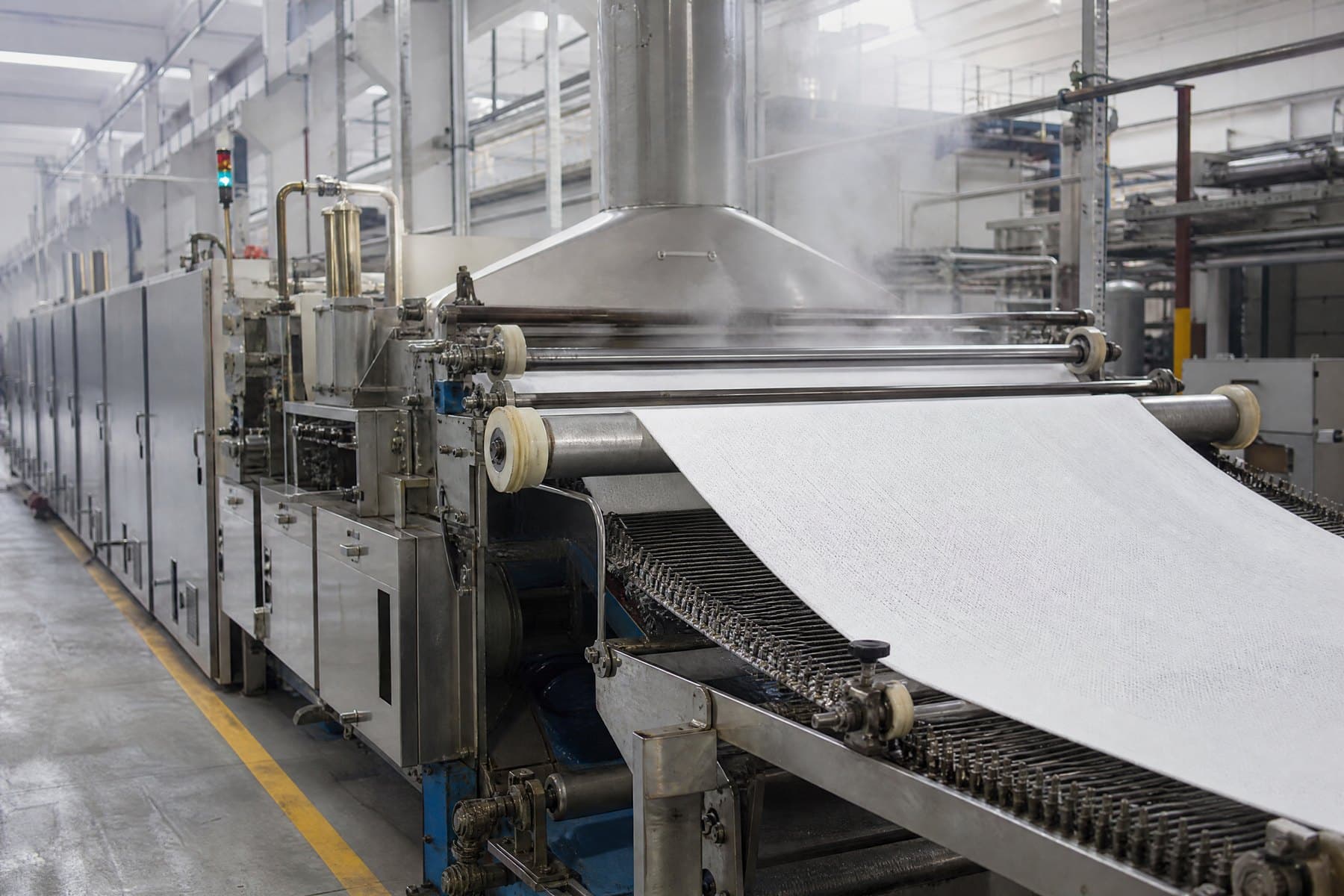
A stenter finishing line carrying open width knitted fabric

Where fabric becomes stable enough to cut.

Dyed fabric is finished to its target hand, width and dimensional stability. This is the stage that decides whether a garment still fits after it has been washed.

Modern dyeing, printing and finishing equipment operates as one continuous house rather than as separate outsourced steps.

180,768sq ft under one roof

05

Printing

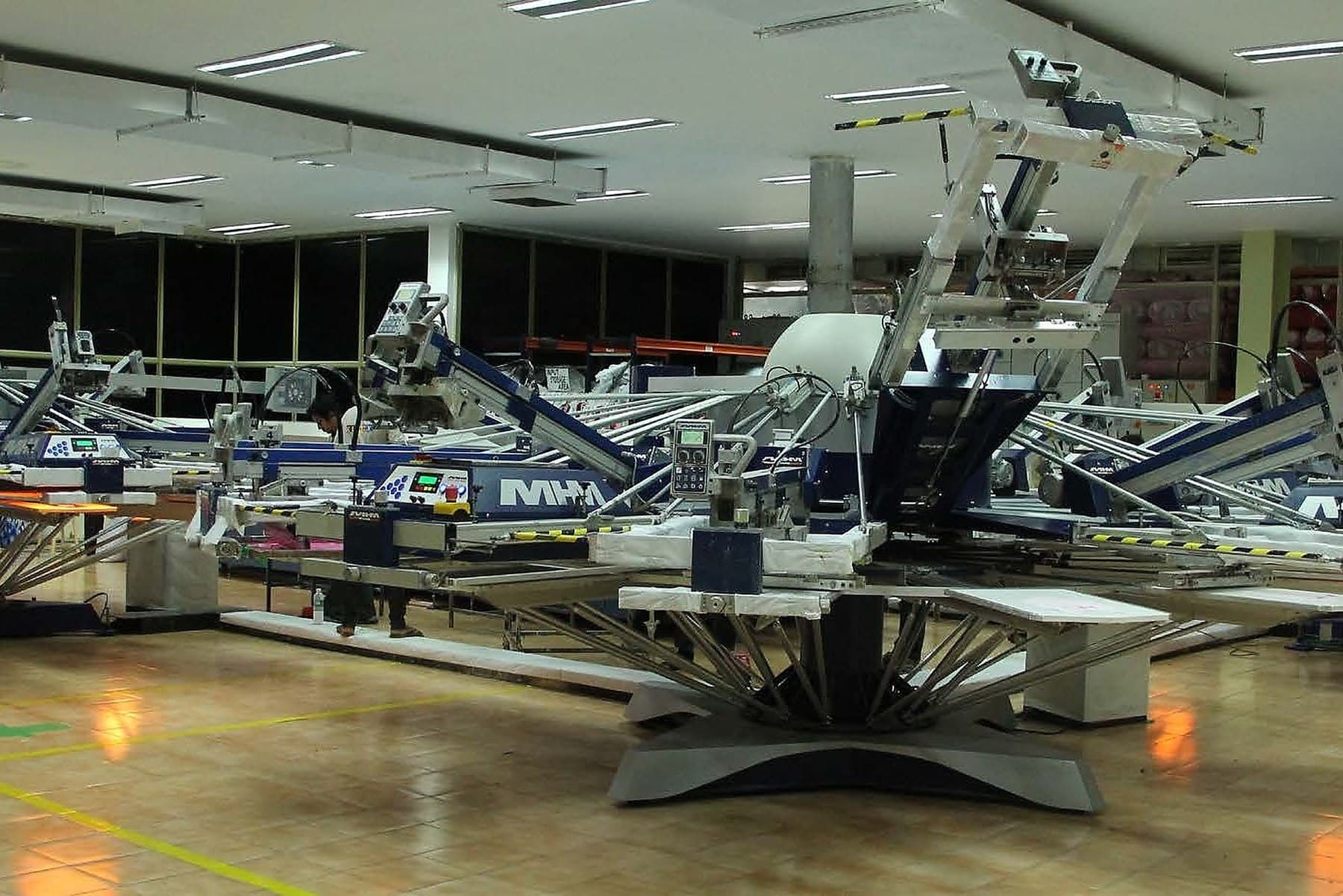
A screen printing carousel on the print floor

Graphics applied at garment scale.

Chest prints and all over graphics are screen printed on site. Keeping print in house means a print rejection is caught within the same building as the fabric that caused it.

A large screen printing setup handles chest printing alongside the embroidery floor.

06

Embroidery

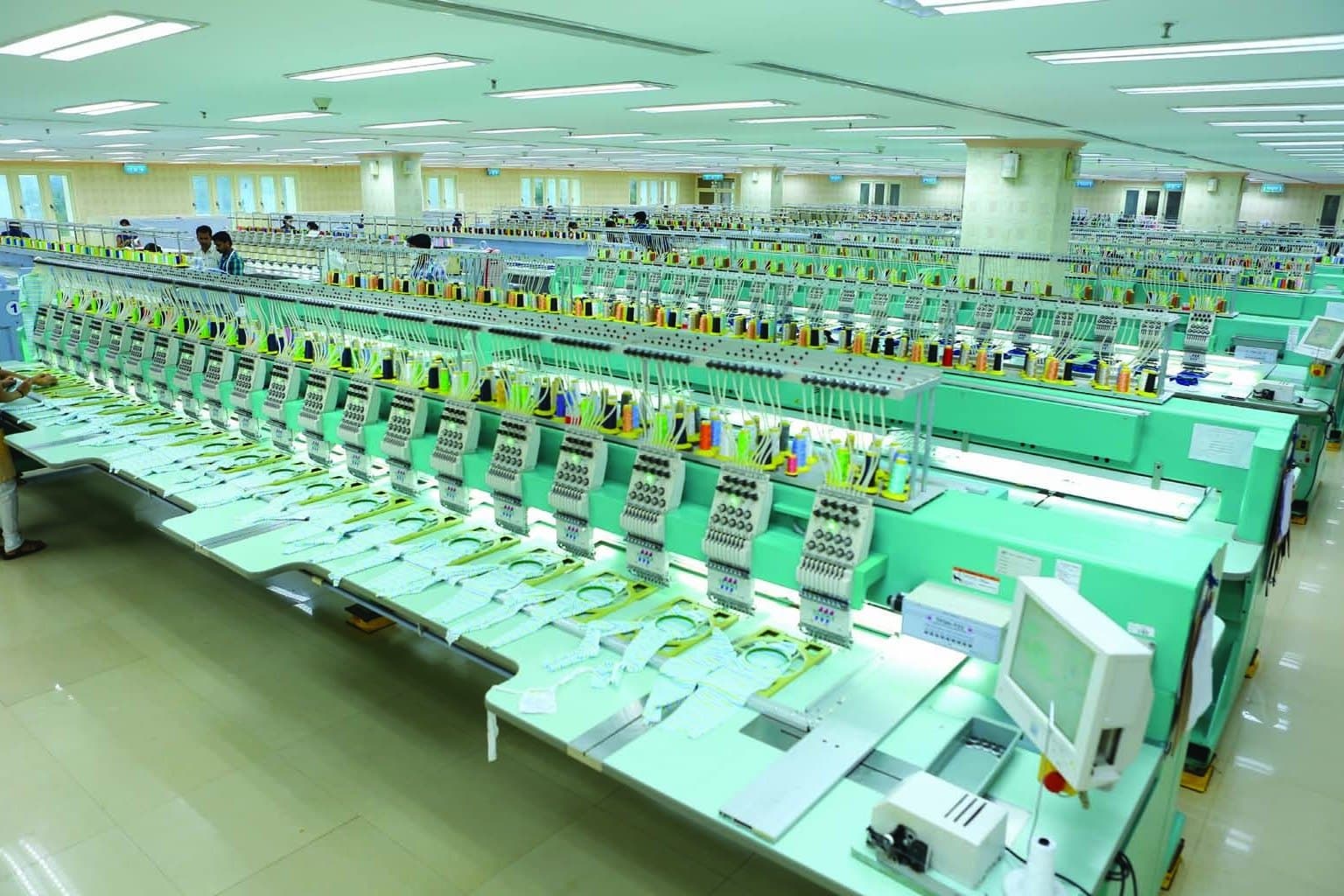
A hall of multi head embroidery machines

Applied decoration without a subcontractor.

Embroidery runs as an internal department, sized to absorb the decoration load of the garment programmes it serves rather than to a separate outside schedule.

Modern embroidery machines operate as a large in house setup, integrated with the sewing programme.

07

Cutting

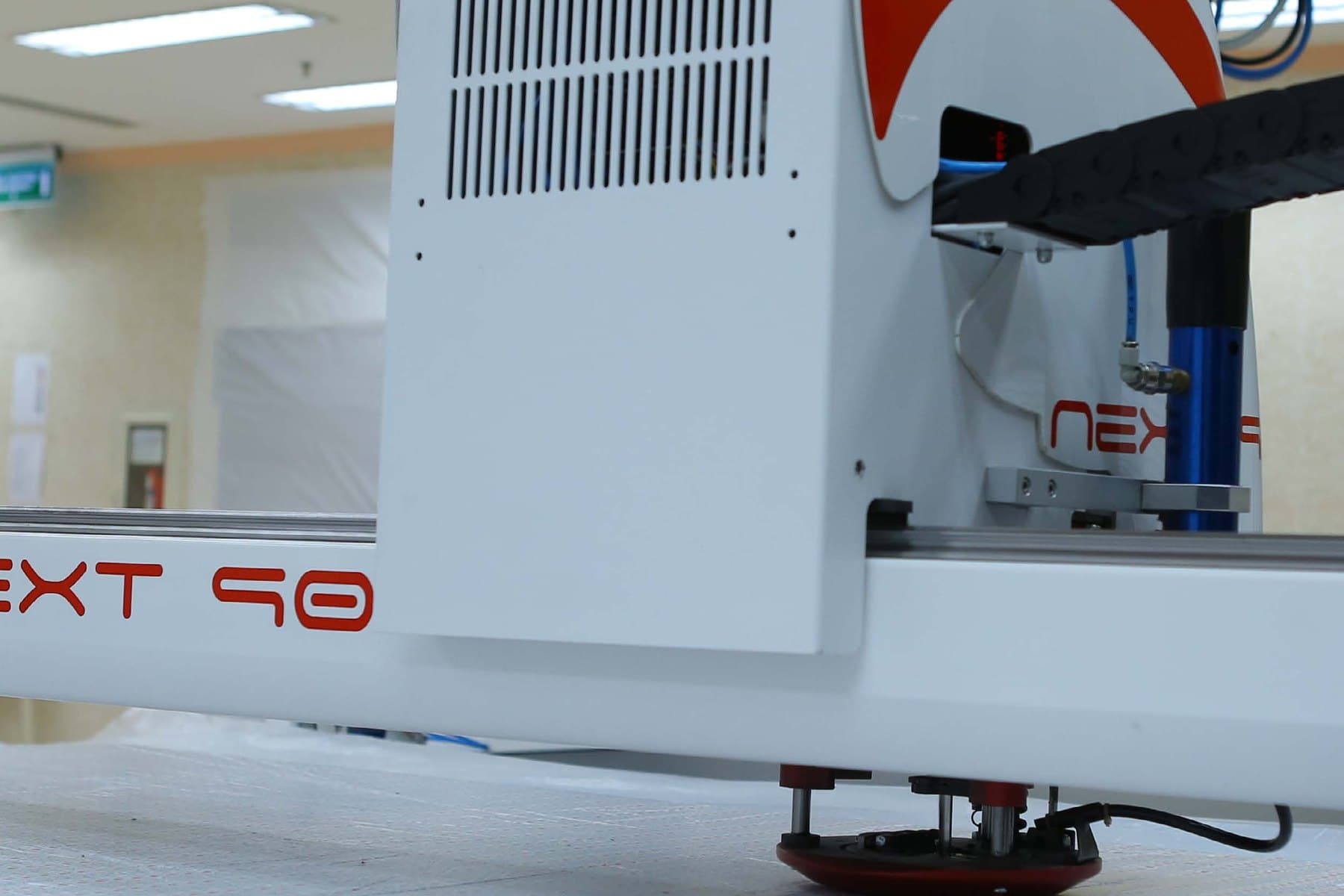
An automated cutting machine working through a spread lay of fabric

Precision at the point of no return.

Patterns are plotted and graded on CAD, fabric is spread mechanically, and lays are cut on automated tables. A cut panel cannot be un cut, so this is where automation earns its place.

Pattern CAD plotting and grading, automatic spreader machines and automated cutting machines run as one sequence.

08

Sewing

Operators on a sewing line assembling garments

The stage that is still, correctly, human.

Panels are assembled into garments on sewing lines. Machinery sets the tolerance; the operator sets the quality. Both are why infant garments hold up to the way infant garments are actually treated.

Sewing lines are equipped with current generation machinery across a centrally air conditioned floor.

09

Quality

An operator checking finished garments at the machine

Nothing leaves on the assumption that it is fine.

Finished garments are inspected and passed through needle detection. For clothing worn by infants, metal contamination is not a statistical risk to be managed. It is a defect to be physically excluded.

Needle detector machines verify product safety, and a spectrophotometer reads colour electronically for transmission to the customer.

10

Packing

Export cartons stacked on pallets in a despatch area

Ready for a port, not just for a shelf.

Passed garments are packed and staged for despatch. The site sits near Kochi with access to both sea and air freight, which is what makes an export share above eighty percent workable.

Packing and despatch complete the line that began with yarn intake in the same complex.

80.72%of turnover exported

Precision you can measure.

Quality on a childrenswear line is not an opinion held at the end of the process. It is a set of instrument readings taken along it.

  • Yarn quality

    Input tested against the fabric specification it is committed to before knitting begins.

  • Fabric stability

    Dimensional stability set at finishing, so a garment still fits after the washes that follow.

  • Colour consistency

    Recipes prepared by digital dispenser and read by spectrophotometer, then transmitted electronically to the customer.

  • Needle detection

    Every finished garment is passed through needle detection. Metal contamination is excluded physically, not sampled for.

  • Product safety

    Produced to Oeko-Tex Standard 100 Class I, the tier reserved for articles worn by babies and toddlers.

  • Regulatory compliance

    CPSIA for the United States and REACH for the European Union, applied across the dyed and printed range.

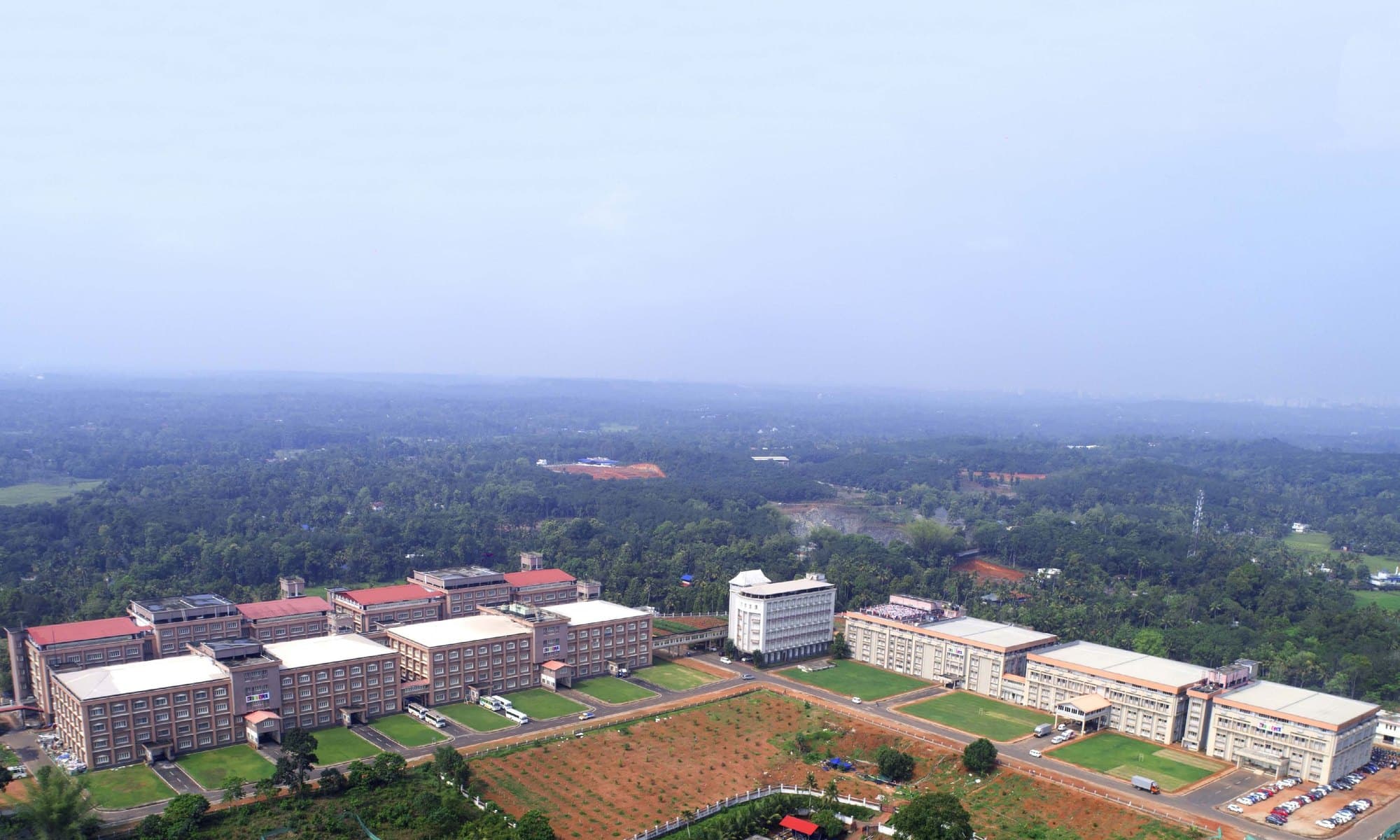
Aerial view of the Kizhakkambalam campus in the surrounding Kerala landscape

Made in India.Connected to the world.

80.72%

of turnover exported

Reported in the BRSR section of the 2024-25 annual report.

USA and Europe

customer markets

Childrenswear supplied to brands across the United States and Europe.

Kerala and Telangana

manufacturing base

Kizhakkambalam, with Phase I at Warangal in commercial production since 2025.

Responsible by design.

0.0%

Reduction in water consumption

Achieved through recovery and reuse across the dyeing and processing line.

Annual Report 2024-25

0%

Reduction in greenhouse gas emissions

Attributed to heat recovery systems, energy efficient machinery and a rising share of renewable energy.

Annual Report 2024-25

0.0%

Of revenue spent on employee wellbeing

Cost incurred on wellbeing measures as a share of total revenue.

BRSR, Annual Report 2024-25

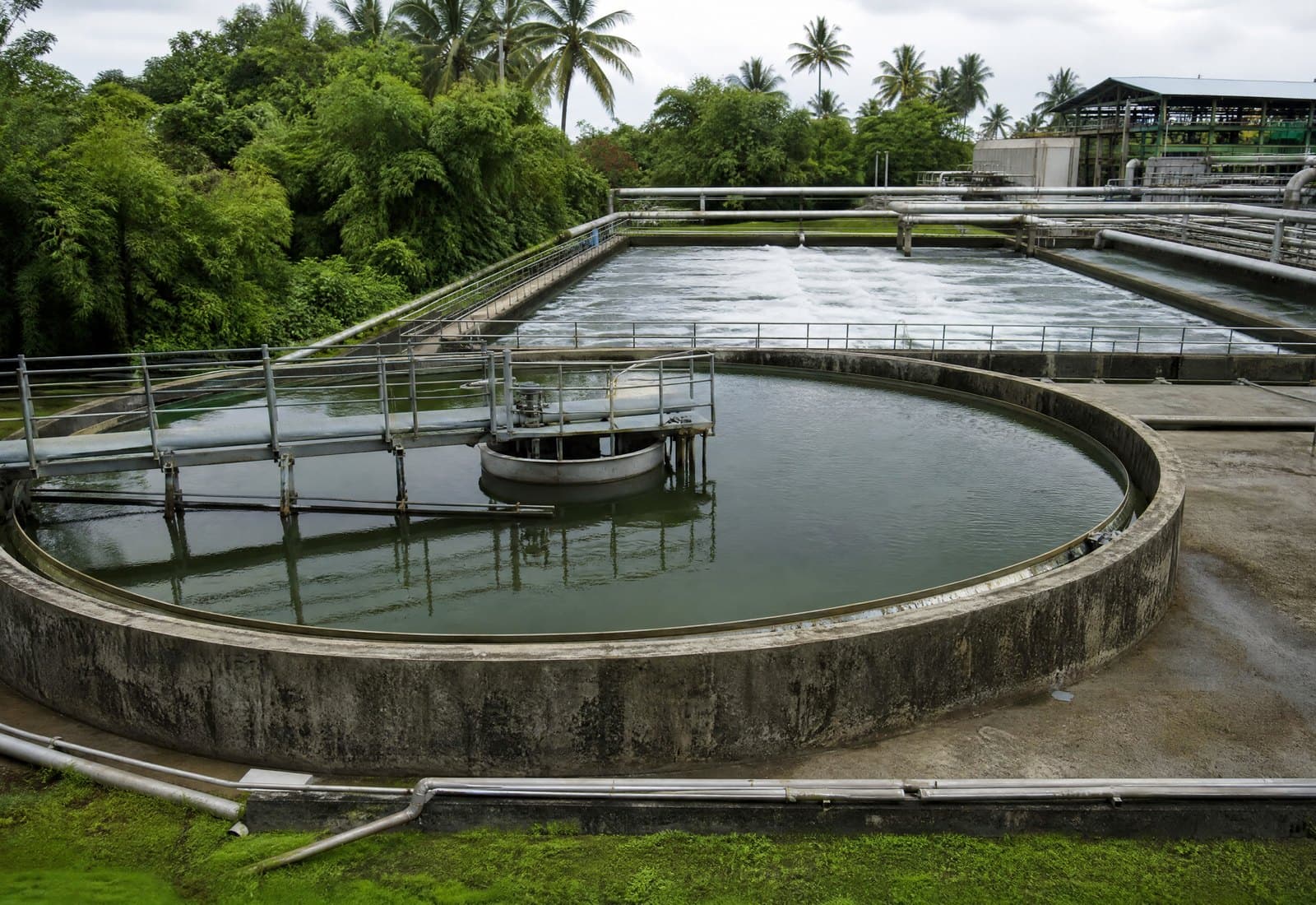
An effluent treatment plant clarifier tank

Water

The heaviest input in wet processing, treated as such.

Effluent treatment and sewage treatment plants support water management across the process house, with continuous monitoring rather than periodic sampling. Water consumption has fallen by 32.5 percent.

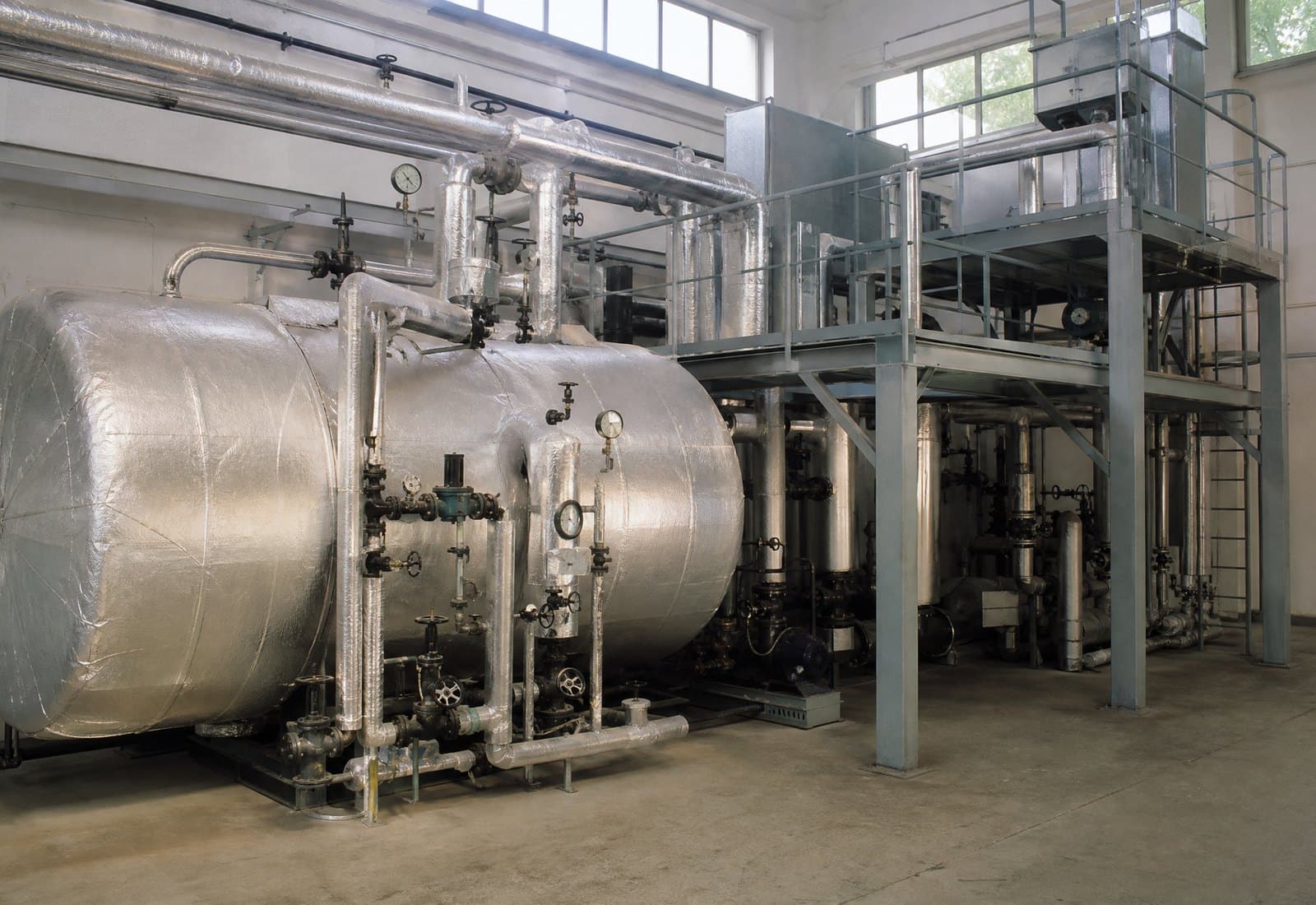
A boiler and heat recovery plant room

Energy and emissions

Cleaner technology ahead of offsetting.

Heat recovery systems and energy efficient machinery have reduced both fuel and electricity requirements, cutting greenhouse gas emissions by 25 percent. Renewable generation is being increased within operations.

Waste

Segregated at source, disposed through authorised routes.

Waste is separated into biodegradable and non biodegradable streams and routed to authorised vendors, with monitoring to confirm compliance rather than to assume it.

Materials

Certified organic cotton, kept traceable.

Organic and conventional cotton run through the same integrated line under segregation, so certified organic output remains traceable from yarn intake to packed carton.

People are partof the process.

The company describes its employees as its wealth, and backs it with provision rather than with a statement. Meals, accommodation, medical support and transport are all free of cost, and 14.6 percent of revenue went to wellbeing measures in 2024-25.

Employees at a meal in the dining hall
The central kitchen that prepares employee meals
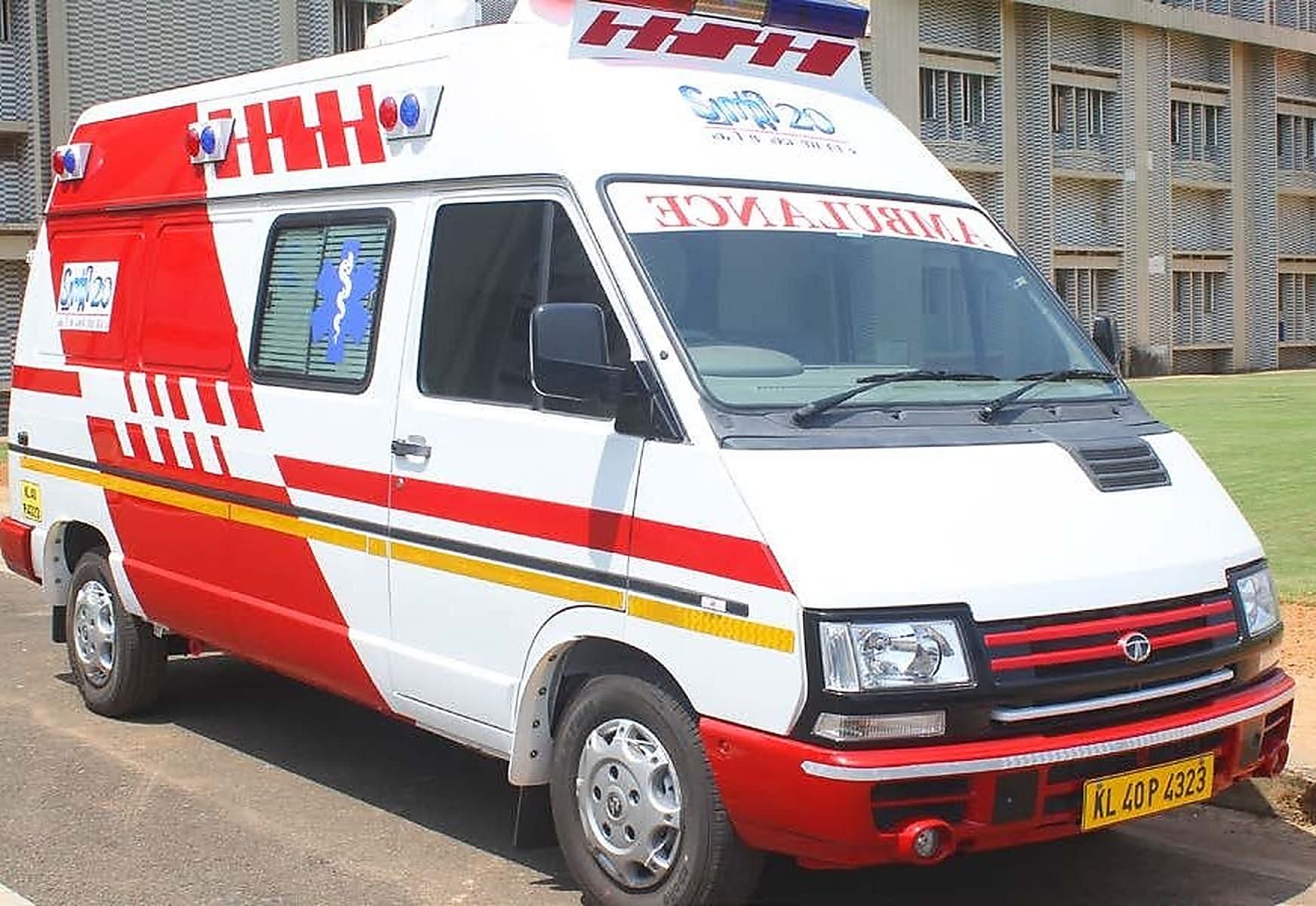
An ambulance stationed at the Kizhakkambalam campus
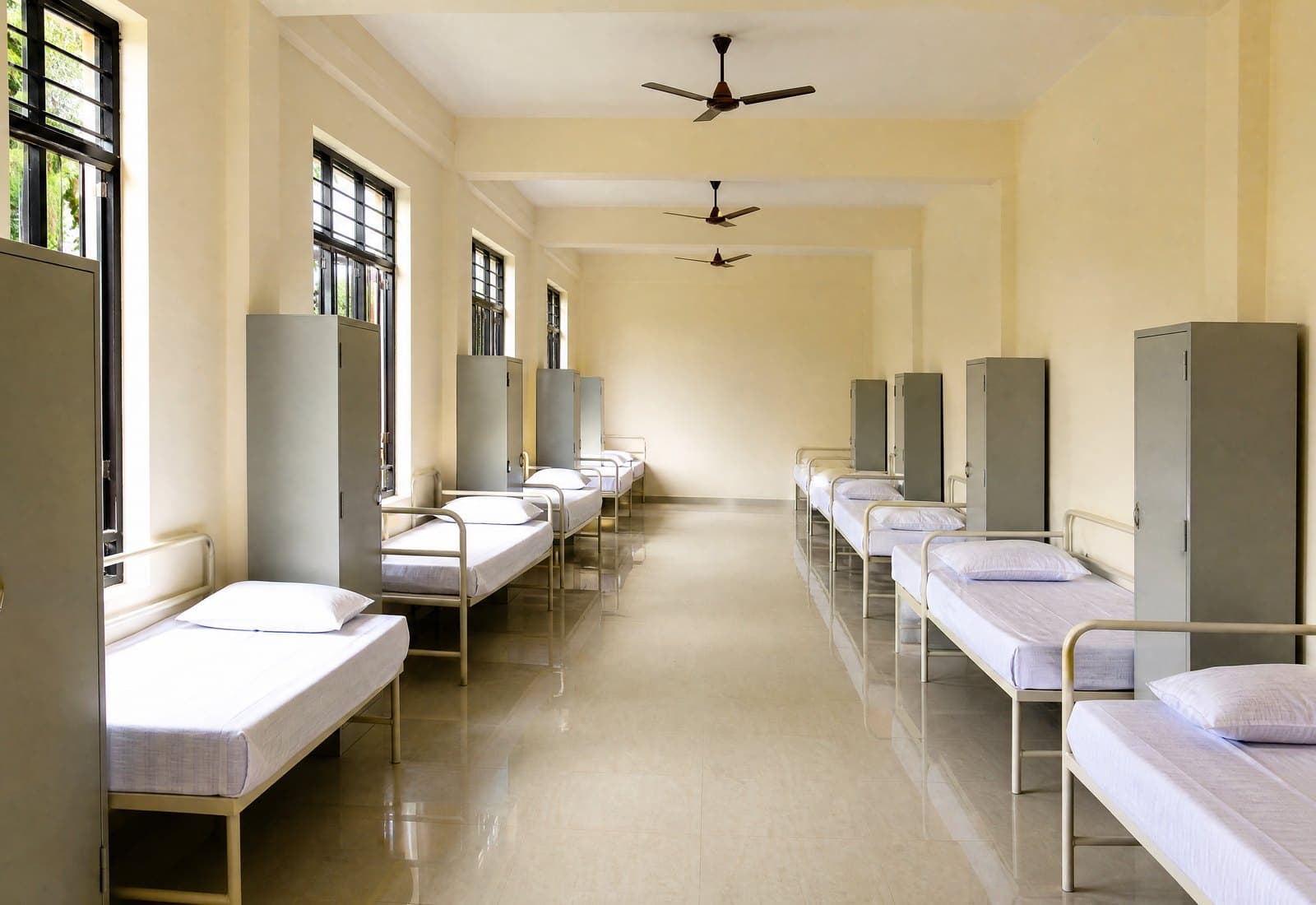
A dormitory interior of the kind provided as employee accommodation

Meals

Food is provided free of cost, with cooking and dining facilities on the campus itself.

Accommodation

Clean, modern dormitories are provided free of charge, with satellite television in the living spaces.

Medical support

A doctor on call, stationed nurses, counsellors and a medical laboratory are available to employees at no cost.

Transport

Free transport runs between the city and the premises for all employees.

Air conditioned workplaces

Living spaces and workplaces, production floors included, are centrally air conditioned.

On site services

An ATM, shopping and bakery services operate within the premises.

Audited and certified

Verified by people who are paid to be sceptical.

  • WRAP

    Platinum

    Worldwide Responsible Accredited Production

    The highest level of certification awarded to an apparel producing facility under the WRAP programme.

    certification

  • Oeko-Tex 100

    Class I

    Oeko-Tex Standard 100, Class I

    Tested for harmful substances against the class reserved for articles worn by babies and toddlers.

    certification

  • C-TPAT

    Low risk

    Customs Trade Partnership Against Terrorism

    Assessed as low risk, with compliance scores published above ninety percent.

    programme

  • Sedex

    Supplier Ethical Data Exchange

    Member of the ethical trade data exchange used by buyers to assess supply chain conduct.

    membership

  • CPSIA

    Consumer Product Safety Improvement Act

    Children's product safety requirements applied to goods entering the United States.

    certification

  • REACH

    Registration, Evaluation, Authorisation and Restriction of Chemicals

    European chemical compliance framework applied across the dyed and printed range.

    certification

Facilities are audited periodically by independent agencies and by auditors appointed directly by customers.

The place this company comes from.

Kizhakkambalam is where the business was founded and where most of its people live. Social investment here is reported through a board level committee, not treated as marketing.

  • 01

    Education

    Investment in local schooling and access.

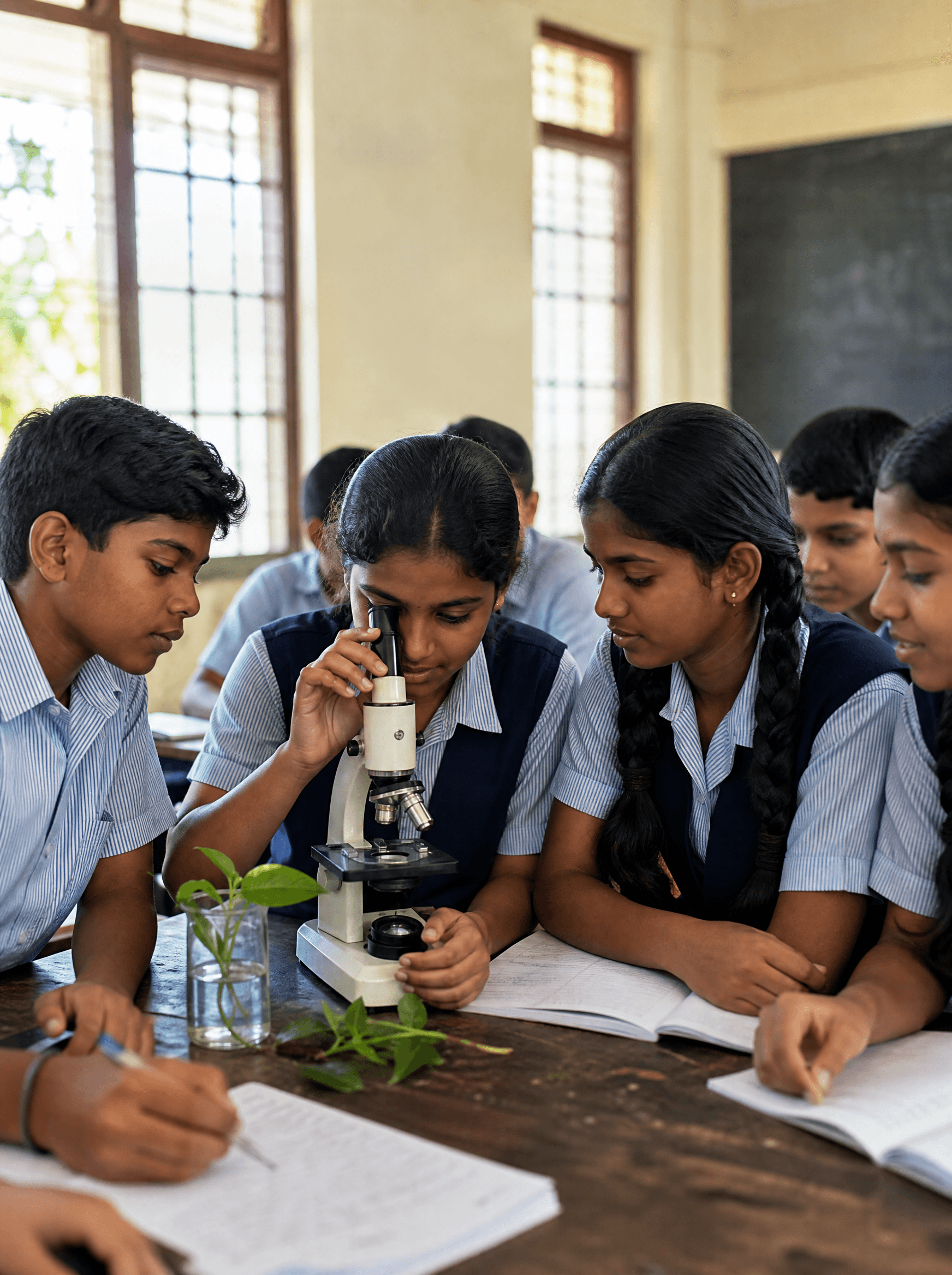
    The company reports contributing to the development of its surrounding community through investment in education, alongside healthcare and social infrastructure.

    Students examining a specimen together in a Kerala school science class
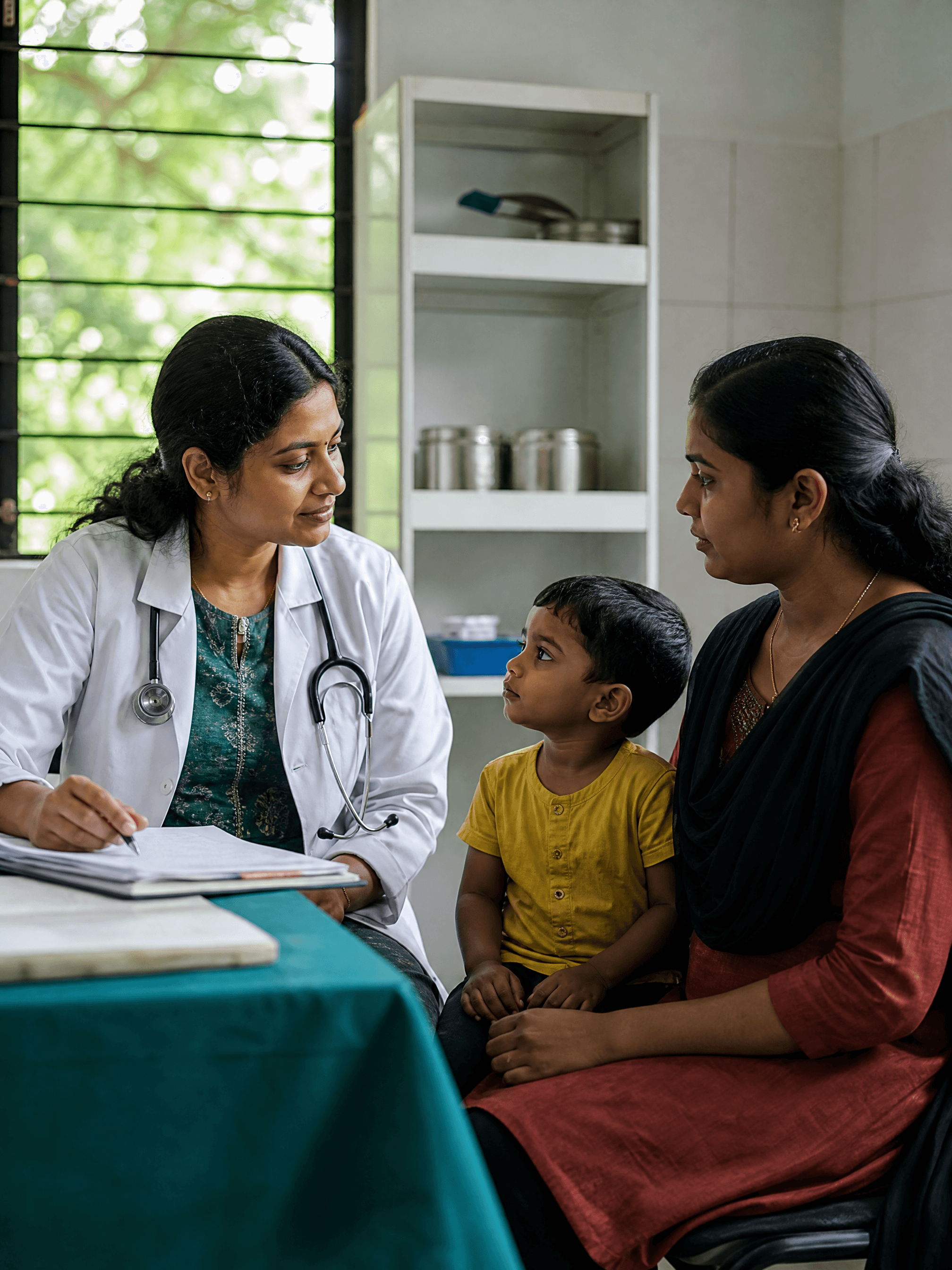
  • 02

    Healthcare

    Health provision extended beyond the workforce.

    Healthcare investment in the community around Kizhakkambalam sits alongside the medical services provided to employees on site.

    A doctor consulting with a mother and child in a community clinic
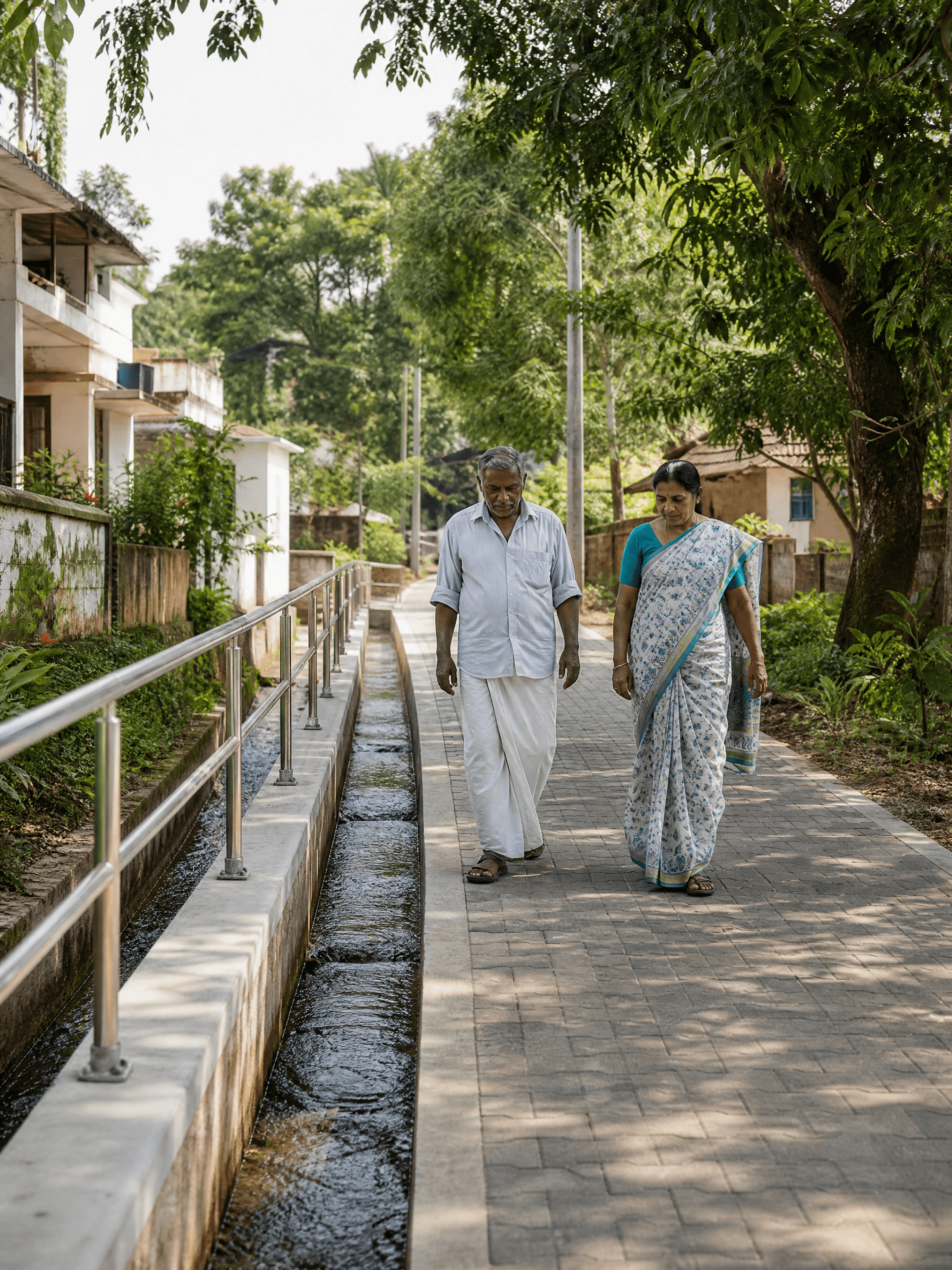
  • 03

    Social infrastructure

    Physical infrastructure in the surrounding panchayat.

    Social infrastructure forms the third reported pillar of community investment, funded through the company's corporate social responsibility programme.

    Residents walking along an upgraded public walkway and drainage channel in Kerala
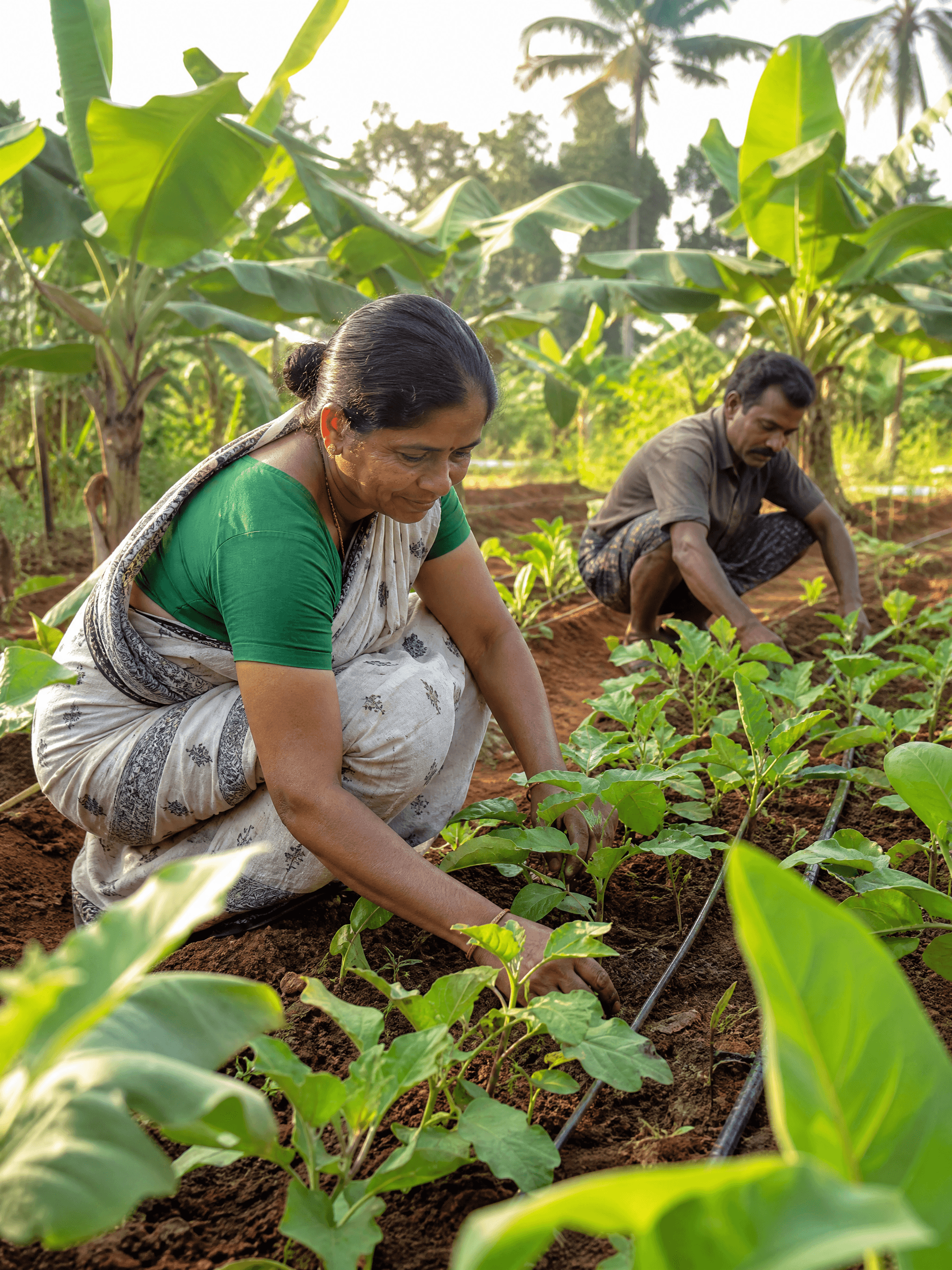
  • 04

    Livelihood

    The largest private employer in Kerala.

    Direct employment at scale is itself the company's largest social contribution, supported by a network of satellite businesses across the state.

    Farmers tending a banana and vegetable plot with drip irrigation in Kerala

Corporate social responsibility is overseen by a board level CSR committee chaired by the Chairman and Managing Director. Annual CSR spend and project detail are reported in the annual report.

Investor relations

The complete record, kept accessible.

Financial year 2024-25

₹ in Lakhs

Consolidated results for financial year 2024-25 compared with 2023-24, in rupees lakh.
MeasureFY 2025FY 2024
Revenue from operations98,280.4661,692.2
EBITDA23,648.3312,711.76
Profit after tax15,295.336,818.77

Annual Report 2024-25, performance scorecard

EBITDA margin
23.2%
Listed on
BSE and NSE
CIN
L18101KL1992PLC006528

Build whatcomes next.

Kitex is among the largest private sector employers in Kerala. Roles run from the knitting and process floors through quality, merchandising, engineering and finance.