
Responsibleby design.
0.0%
Reduction in water consumption
Achieved through recovery and reuse across the dyeing and processing line.
Annual Report 2024-25
0%
Reduction in greenhouse gas emissions
Attributed to heat recovery systems, energy efficient machinery and a rising share of renewable energy.
Annual Report 2024-25
0.0%
Of revenue spent on employee wellbeing
Cost incurred on wellbeing measures as a share of total revenue.
BRSR, Annual Report 2024-25
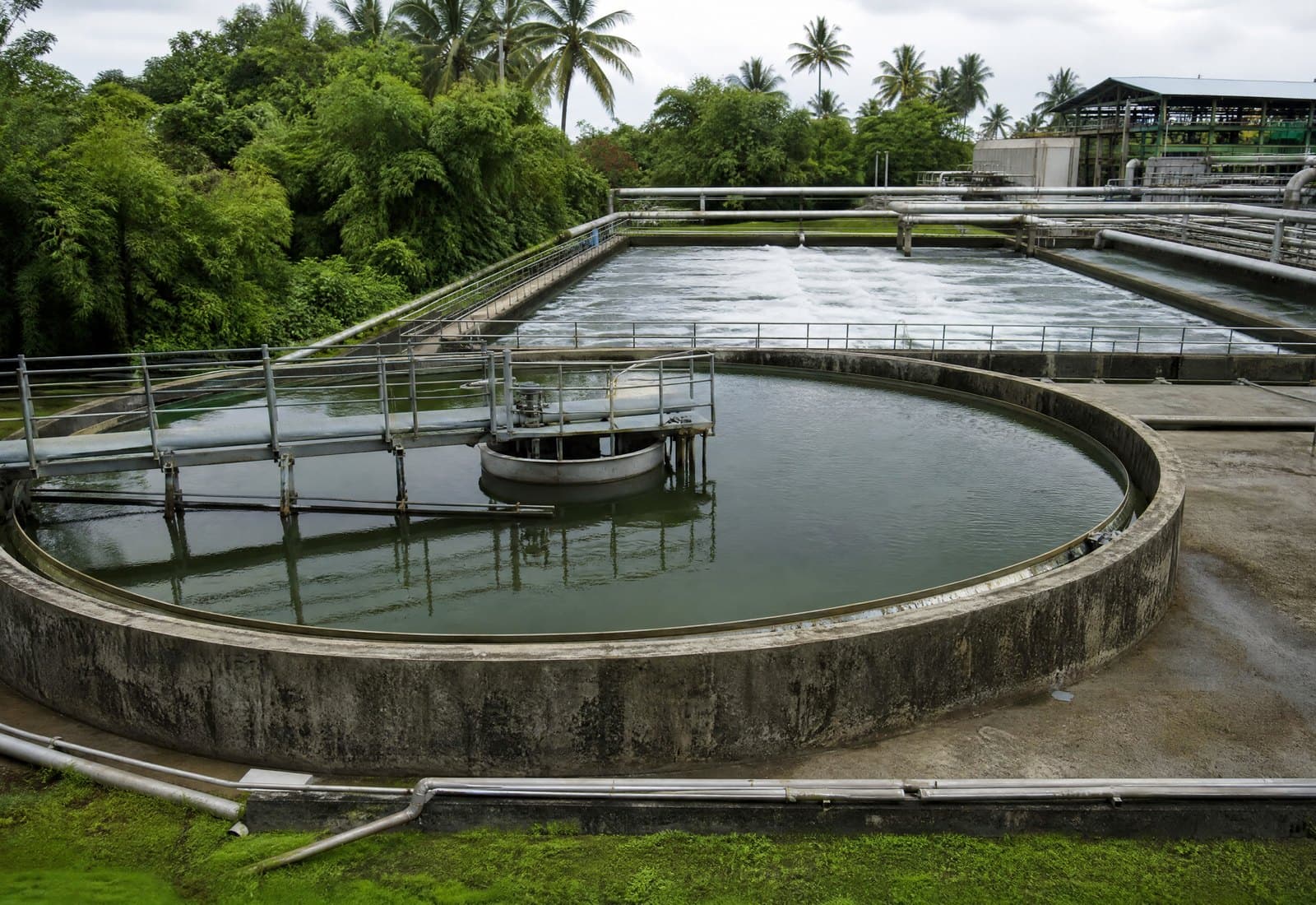
Water
The heaviest input in wet processing, treated as such.
Effluent treatment and sewage treatment plants support water management across the process house, with continuous monitoring rather than periodic sampling. Water consumption has fallen by 32.5 percent.
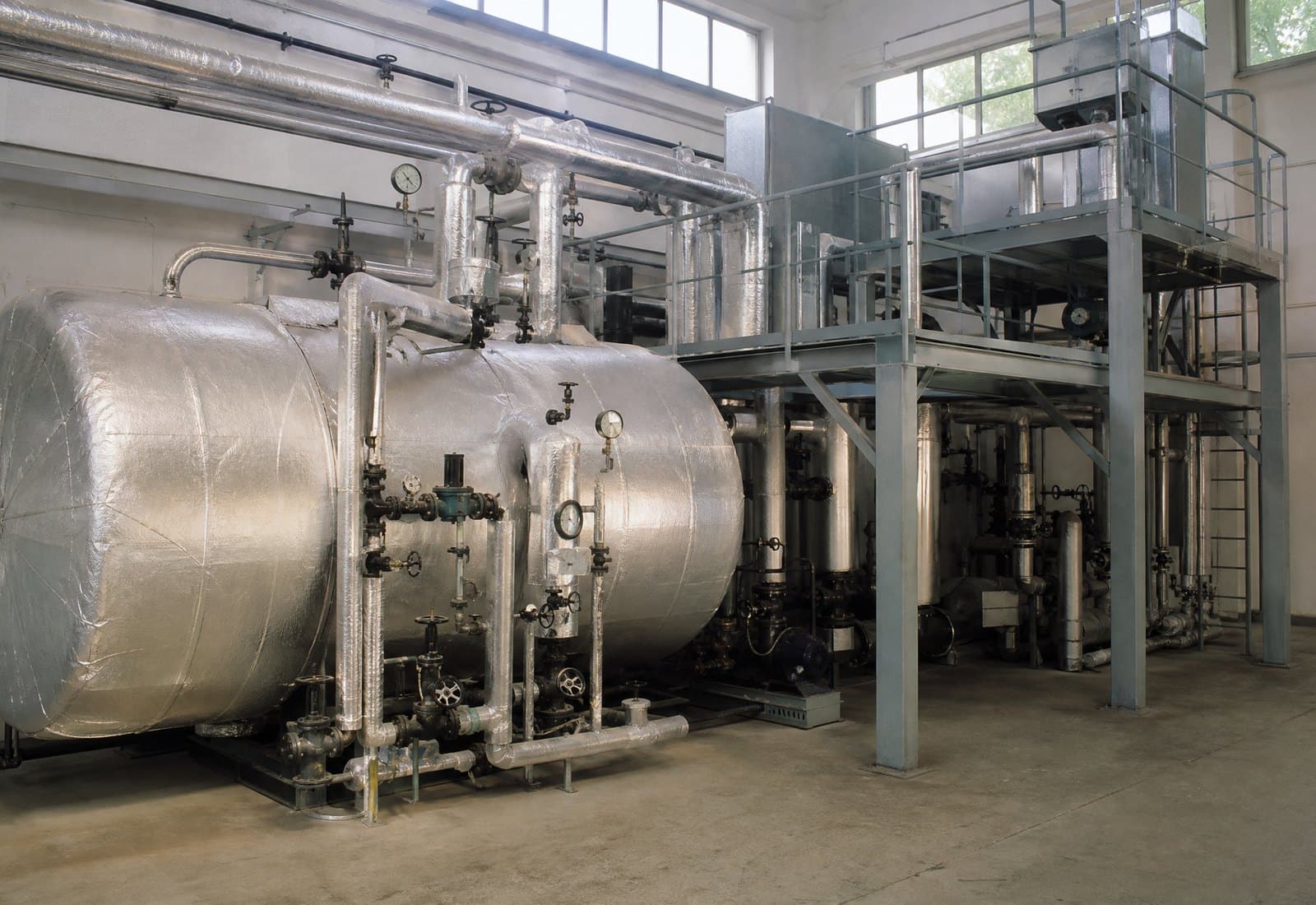
Energy and emissions
Cleaner technology ahead of offsetting.
Heat recovery systems and energy efficient machinery have reduced both fuel and electricity requirements, cutting greenhouse gas emissions by 25 percent. Renewable generation is being increased within operations.

Waste
Segregated at source, disposed through authorised routes.
Waste is separated into biodegradable and non biodegradable streams and routed to authorised vendors, with monitoring to confirm compliance rather than to assume it.
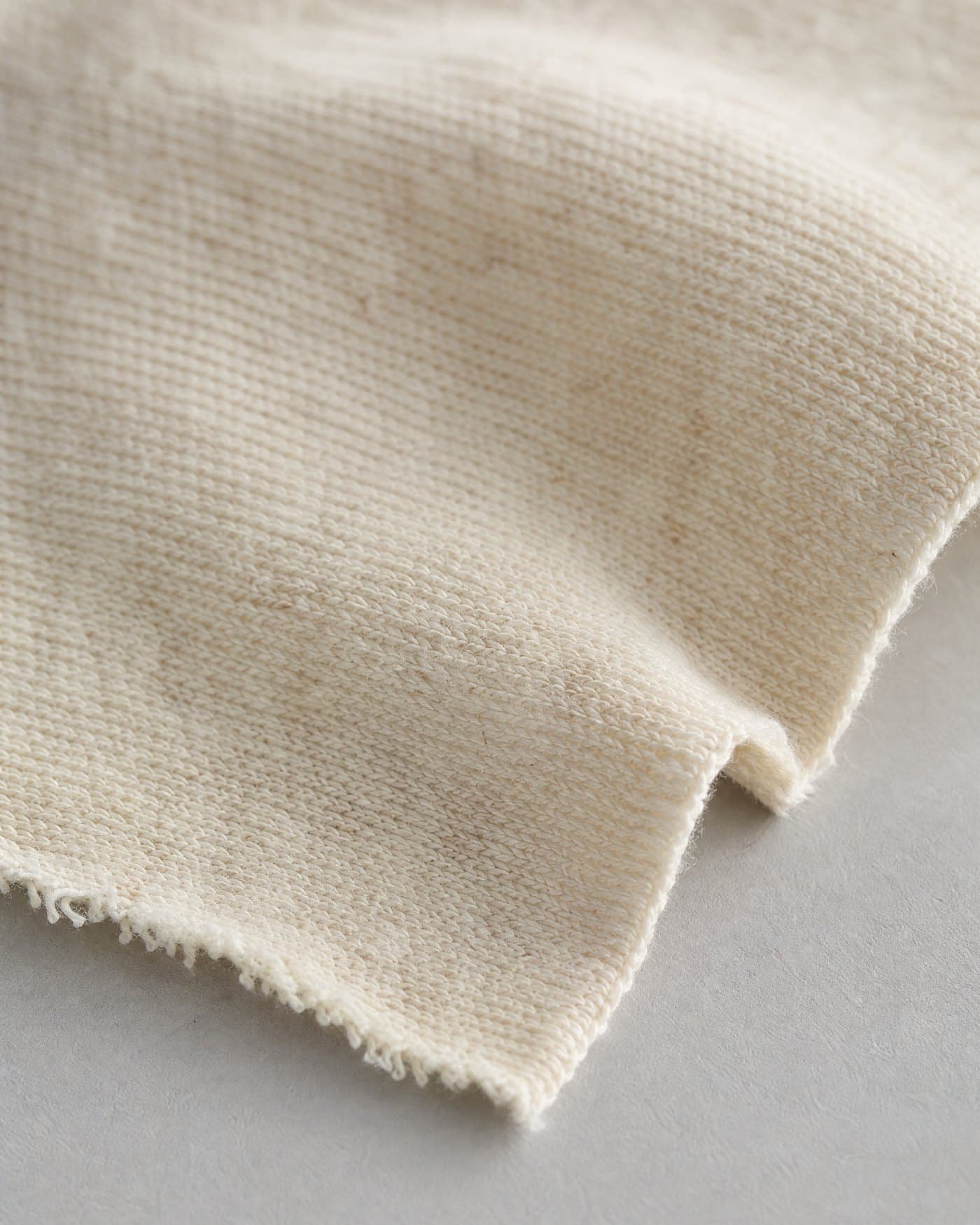
Materials
Certified organic cotton, kept traceable.
Organic and conventional cotton run through the same integrated line under segregation, so certified organic output remains traceable from yarn intake to packed carton.
Reported, not asserted.
Environmental and social performance is disclosed in the Business Responsibility and Sustainability Report within the annual report, which is the document a reader should hold this page against.